
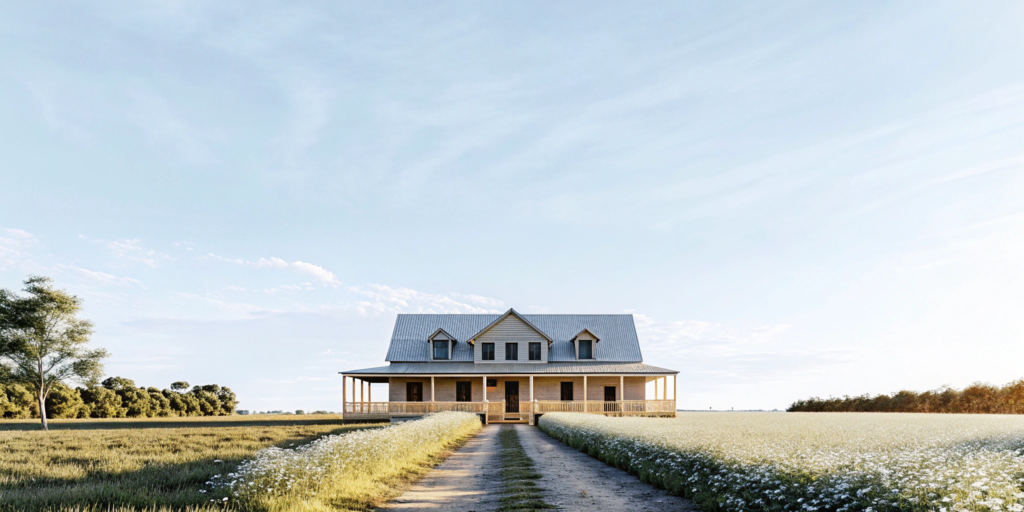
The word “rural” might make you think of quiet country roads and wide-open spaces, but when it comes to mortgages, its definition is surprisingly broad. Many homebuyers are shocked to discover that the charming suburb or growing small town they’ve been eyeing actually qualifies for a USDA Rural Development Housing Loan. This program isn’t about limiting your options; it’s about expanding them. By opening up a whole new map of eligible properties, it provides a path to homeownership with incredible advantages, including the ability to buy a home with absolutely no money down. It’s time to rethink what’s possible.
Key Takeaways
- You can buy a home with no money down: The standout feature of a USDA loan is 100% financing, which removes the biggest barrier for many homebuyers. This program is designed for moderate-income households in designated suburban and rural areas.
- Your monthly payments are often lower: Instead of costly Private Mortgage Insurance (PMI), USDA loans use a more affordable guarantee fee system. This structure typically results in a lower monthly payment compared to other low-down-payment loans.
- Check your eligibility in just a few minutes: Before you start your home search, take two simple steps. First, confirm your household income falls within the limits for your county. Second, use the USDA’s online map to verify that a property’s location qualifies.
What is a USDA Loan?
If you dream of owning a home but feel like a big down payment is holding you back, a USDA loan might be the perfect solution. Officially called a Rural Development Loan, this is a special type of mortgage backed by the U.S. Department of Agriculture. Its main goal is to help more people buy homes in eligible rural and suburban areas, strengthening these communities one homeowner at a time.
Think of it as a partnership. The government provides a guarantee on the loan, which gives private lenders the confidence to offer incredible terms to borrowers. This program is designed for homebuyers with low-to-moderate incomes who meet the specific credit and property requirements. While the “rural” part of the name might make you think of farmland, you’d be surprised how many suburban areas and small towns qualify. It’s one of the best-kept secrets in home financing, and it’s made homeownership a reality for millions of families across the country.
USDA vs. Conventional Loans: What’s the Difference?
The biggest and most exciting difference between a USDA loan and a conventional loan is the down payment. With a USDA loan, you can finance 100% of the home’s value, meaning you can buy a home with absolutely no money down. This is a game-changer compared to conventional loans, which typically require at least 3% to 5% down.
Beyond the down payment, USDA loans often have more flexible credit guidelines and competitive interest rates because they are government-backed. Another key difference is mortgage insurance. Instead of Private Mortgage Insurance (PMI), loan programs to buy a home anywhere.
The Role of the U.S. Department of Agriculture
So, what does a government agency focused on agriculture have to do with your mortgage? It’s simpler than it sounds. The U.S. Department of Agriculture isn’t your direct lender. Instead, it acts as an insurer for approved lenders like us. By guaranteeing a significant portion of the loan, the USDA minimizes the financial risk for the lender if a borrower defaults.
This government backing is precisely why lenders can offer such amazing benefits, like the zero down payment option and lower interest rates. The USDA’s mission is to improve the economy and quality of life in rural America. By making it easier to buy a home, the USDA Rural Development program helps create jobs, support local economies, and give more people a place to call their own.
Do You Qualify for a USDA Loan?
Figuring out if you qualify for a specific home loan can feel like a puzzle, but the requirements for a USDA loan are more straightforward than you might think. These loans are designed to help more people achieve homeownership in designated rural and suburban areas. Let’s walk through the three main criteria—income, credit, and property location—to see if this could be the right path for you.
Check Your Income Eligibility
One of the biggest myths about USDA loans is that they’re only for very low-income households. In reality, they are designed to help both low- and moderate-income families. The specific income limit depends on your county and the size of your household. Your total household income can’t exceed this limit, but you can make certain deductions to help you qualify. For example, you can often deduct costs for childcare, medical expenses, and an allowance for each child. You can easily check the income limits for your specific area to see where you stand.
What Credit Score and Documents Do You Need?
To qualify for a USDA loan, lenders generally look for a credit score of at least 640, though some may consider scores as low as 620. More importantly, they want to see a consistent history of paying your bills on time. To verify your financial standing, you’ll need to gather a few key documents. This typically includes recent pay stubs and W-2s to show proof of income, bank statements, and proof of citizenship or legal residency. Having these items ready will make the process much smoother when you’re ready to start your application.
Find Out if a Property’s Location Qualifies
When people hear “USDA,” they often picture a farmhouse miles from anywhere, but that’s not the whole story. While these loans are for properties outside of major urban centers, the definition of “rural” is surprisingly broad and includes many suburban communities. The key is that the home must be your primary residence, not an investment property or vacation home. The USDA has a helpful online tool where you can simply type in an address to see if it’s located in an eligible area. It’s worth taking a moment to check the eligibility map, as you might be surprised by what qualifies.
Common USDA Loan Myths, Busted
When you hear “USDA,” you might picture rolling fields and farmhouses. While that’s part of the story, it’s far from the whole picture. These loans come with some incredible benefits, but they’re often wrapped up in myths that can keep great people from even considering them. Let’s clear the air and bust a few of the most common misconceptions about USDA loans so you can see if this path to homeownership is right for you.
Myth #1: “It’s Only for Farmers”
Let’s get this one out of the way first: you absolutely do not need to be a farmer to get a USDA loan. This is probably the biggest myth out there. The program’s real goal is to encourage growth and development in rural and suburban communities. This means people from all walks of life—teachers, nurses, remote workers, and small business owners—can and do use these loans to buy homes. The focus is on the property’s location, not your profession. So, if you’ve been dreaming of a home with a little more space but wrote this option off because you don’t own a tractor, it’s time to take another look at the available loan programs.
Myth #2: “My Income is Too High” or “It’s Too Far Out”
Many people assume USDA loans are only for low-income households, but the program is actually designed for moderate-income families. The income limits are surprisingly generous and vary by county and household size, so you might be eligible even if you think your income is too high. Similarly, the definition of “rural” is much broader than you’d expect. Many suburban neighborhoods just outside of major metropolitan areas are eligible. You don’t have to move to a remote area to take advantage of this program. In fact, thousands of towns and smaller cities across the country qualify for USDA loans, making it a fantastic option for homebuyers seeking a quieter lifestyle without being too far from city conveniences.
Myth #3: “There Are Hidden Costs”
It’s smart to be skeptical of a loan that requires no down payment. You might be wondering, “What’s the catch?” While there are no hidden costs, there are specific fees associated with USDA loans. These include an upfront guarantee fee, which can often be rolled into the total loan amount, and a small annual fee that’s paid monthly as part of your mortgage payment. However, these fees are typically lower than the private mortgage insurance (PMI) required for conventional loans or the mortgage insurance premiums (MIP) on FHA loans. These fees are what make the zero-down-payment feature possible, and they often make the USDA loan a more affordable option overall for qualified buyers.
Why Choose a USDA Loan?
If you’re dreaming of homeownership but feel like the down payment is holding you back, a USDA loan might be the perfect fit. This program is one of the best-kept secrets in the mortgage world, designed to help people buy homes in eligible suburban and rural areas. It’s not just for farmers—it’s for anyone who meets the income and property guidelines. The benefits are hard to ignore, offering a unique path to getting the keys to your new home with less financial strain upfront. Let’s look at the top three reasons why a USDA loan is such a powerful option.
Benefit #1: Buy a Home with No Down Payment
This is the biggest draw for most people. A USDA loan allows you to buy a home with a 0% down payment. That’s right—zero. For many aspiring homeowners, saving up the traditional 10% or 20% is the single greatest obstacle. With a USDA loan, you can finance 100% of the home’s value, which means you can get into your new house without draining your savings. This makes homeownership accessible much sooner than you might have thought possible. It’s one of the few loan programs available that lets you move in without putting a large sum of money down first, freeing up your cash for moving expenses, furniture, or an emergency fund.
Benefit #2: Secure a Lower Interest Rate
Because USDA loans are guaranteed by the U.S. Department of Agriculture, lenders can offer very competitive interest rates. Often, these rates are lower than what you might find with conventional or even FHA loans. Better yet, all USDA loans come with a 30-year fixed rate. This gives you incredible stability and peace of mind. Your principal and interest payment will never change over the entire life of the loan, making it easy to budget for the long term. You won’t have to worry about market fluctuations or surprise increases in your monthly payment. If you’re ready to see what rate you could qualify for, you can apply now to get started.
Benefit #3: Pay Less in Mortgage Insurance
Most loans with a low down payment require you to pay Private Mortgage Insurance (PMI), which protects the lender if you default. USDA loans work a bit differently. Instead of PMI, they have two fees: an upfront guarantee fee that’s usually rolled into the loan amount and a small annual fee paid monthly. The good news is that these fees are typically much lower than the PMI you’d pay on other loan types. This means your monthly payment will be more affordable, saving you a significant amount of money over time. It’s a smarter way to get into a home with little down while keeping your monthly costs in check, a benefit our clients often mention in their testimonials.
What Kind of Homes Can You Buy with a USDA Loan?
One of the biggest questions people have about USDA loans is what kind of house they can actually buy. You might be picturing a classic farmhouse with acres of land, but the reality is much more flexible and exciting. This loan program is designed to support homeownership and build communities in areas just outside of major metropolitan centers, not just in remote, rural locations. Understanding the types of properties that qualify can open up a whole new world of possibilities in your home search, many of which might be in areas you already love. Let’s look at the types of properties that are eligible, the condition they need to be in, and how you can easily check if a home you have your eye on is in a qualifying area. When you’re ready to take the next step, our team at UDL Mortgage is here to guide you through our exclusive loan programs and find the perfect fit for your new home.
Approved Property Types
When it comes to the type of home you can purchase with a USDA loan, you have more options than you might think. The program covers standard single-family houses, which are the most common choice for buyers. But it doesn’t stop there. Some condominiums and even certain manufactured homes can also qualify, as long as they meet the program’s specific guidelines, such as being on a permanent foundation and meeting certain age and safety standards. This flexibility opens up a wider range of possibilities, allowing you to find a home that truly fits your lifestyle and budget, whether it’s a cozy starter home in a quiet subdivision or a place with a bit more room to grow.
Property Condition and Location Rules
For a home to qualify for a USDA loan, it needs to meet a few straightforward requirements. First, it must be a single-family residence that you plan to use as your primary home—so, no investment properties or vacation houses. While there aren’t any strict limits on the home’s price or the amount of land it sits on, the property does need to be safe and structurally sound. An appraiser will check to make sure the home is in good, livable condition. Think of it not as a hurdle, but as a simple check to ensure your new home is a safe and solid investment for your future, protecting both you and the lender from any surprise issues down the road.
How to Use the USDA Eligibility Map
Figuring out if a property is in a USDA-approved area is surprisingly simple. Many people hear “rural” and think it means miles away from everything, but you’d be amazed how many suburban neighborhoods actually qualify. To check a specific address, you can use the official USDA eligibility map online. This interactive tool lets you see the designated zones instantly, taking all the guesswork out of your home search. It’s a fantastic first step to see if that home you’ve been eyeing could be financed with a zero-down-payment USDA loan. Playing around with the map for just a few minutes might reveal that your dream home is in an eligible area after all.
Understanding the Types of USDA Loans
When you hear “USDA loan,” it’s important to know there are actually two main paths you can take: Direct and Guaranteed. While both are designed to make homeownership more accessible in rural areas, they work a bit differently and serve different borrowers. Think of them as two different doors leading to the same goal of owning a home. One involves working directly with the government, while the other partners you with a trusted lender. Let’s break down which one might be the right fit for your situation.
USDA Direct Loans
USDA Direct Loans are handled straight from the source—you apply directly with the USDA. This option is specifically created for individuals and families with very low income who might not qualify for traditional financing. The program offers 100% financing, which means you can buy a home with no down payment. These loans also come with longer repayment terms, often 33 to 38 years, to help keep monthly payments as low as possible. The home must be in an eligible rural area, but this program can be a fantastic opportunity for those who need the most support on their path to homeownership.
USDA Guaranteed Loans
The USDA Guaranteed Loan is the most popular and common type of USDA loan. Instead of applying with the government, you work with an approved lender (like us!). The USDA “guarantees” a portion of the loan, which reduces the lender’s risk and allows them to offer incredible benefits. This program is designed for borrowers with low to moderate income. Just like the Direct Loan, it offers 100% financing with no down payment required. It’s one of the fantastic loan programs we offer to help make your dream home a reality without the stress of saving for a huge down payment.
Direct vs. Guaranteed: Which is Right for You?
So, how do you choose? It really comes down to your income level and how you prefer to work. Direct Loans are a lifeline for very low-income applicants who have had trouble securing other types of financing. Because you work directly with the USDA, the process is tailored to those specific circumstances. In contrast, Guaranteed Loans are available to a wider range of people with low to moderate incomes. Working with a dedicated lender means you get personalized guidance and support throughout the entire application process, making it a more streamlined and accessible option for most homebuyers looking to take advantage of USDA benefits.
How to Apply for a USDA Loan
Ready to take the next step? The USDA loan application might seem intimidating, but it’s a straightforward process when you break it down. It’s very similar to applying for other types of mortgages, with a few key steps to focus on. The most important things you can do are to get organized upfront and find a lender who truly understands the ins and outs of the USDA program. With the right partner and a little preparation, you’ll be well on your way to securing your new home in a qualifying rural or suburban area. Let’s walk through exactly what you need to do.
Get Your Paperwork Ready
One of the best ways to set yourself up for a smooth process is to gather all your necessary documents before you even fill out an application. Think of it as creating a financial snapshot for your lender. They’ll need to verify your income, assets, and credit history to confirm you meet the program’s guidelines.
You should prepare to provide:
- Proof of income and employment: This includes recent pay stubs, W-2s, and federal tax returns from the last two years.
- Bank statements: Lenders will want to see your account balances to verify your assets.
- Credit history: While the USDA has flexible credit requirements, your lender will still pull your credit report.
- Personal identification: Have your driver’s license and Social Security card handy.
Find the Right USDA-Approved Lender
Not every bank or mortgage company offers USDA loans, so your first task is to find one that does. You’ll want to partner with a lender who has specific experience with the USDA program, as they’ll be familiar with the unique requirements for property and income eligibility. An experienced lender can guide you through the process, answer your questions, and help you avoid common pitfalls that could delay your closing. At UDL Mortgage, we specialize in a variety of loan programs and can help determine if a USDA loan is the right fit for you. A great lender acts as your trusted guide, making the entire journey feel less stressful.
What to Expect from the Application Process
Once you’ve chosen a lender and submitted your documents, the application process officially begins. Your lender will review your file to verify that your income falls within the local limits and that your credit profile meets the necessary standards. The next step involves the property itself. Your lender will confirm that the home you want to buy is located in a USDA-eligible area and meets the program’s safety and quality standards. The process is very similar to other mortgage applications, but with the added layer of USDA approval. If you’re ready to get started, you can apply now and have an expert walk you through every step.
What Costs Should You Expect with a USDA Loan?
One of the biggest draws of a USDA loan is the zero-down-payment requirement, but that doesn’t mean you can buy a home with absolutely no cash on hand. Like any mortgage, there are a few costs involved in the process. The good news is that they are straightforward and often more affordable than those for other loan types. Knowing what to expect from the start helps you budget properly and makes the homebuying process feel much smoother. Let’s walk through the main costs you’ll see with a USDA loan so you can feel fully prepared.
The Upfront Guarantee Fee
First up is the upfront guarantee fee. Think of this as the insurance premium that protects the lender and allows them to offer such great terms, like the no-down-payment feature. This one-time fee is currently 1.0% of your total loan amount. For example, on a $250,000 loan, the fee would be $2,500. The best part? You don’t necessarily have to pay this out of pocket. In most cases, you can roll this fee directly into your mortgage, which is a huge help if you’re trying to keep your upfront cash investment low. It’s a standard part of the USDA loan process that makes this incredible homeownership opportunity possible.
Understanding the Annual Fee
In addition to the upfront fee, there’s also an annual fee. While the name sounds like a big bill you’ll get once a year, it doesn’t actually work that way. This fee is 0.35% of your loan’s outstanding principal balance for the year. It’s broken down into 12 smaller pieces and simply added to your monthly mortgage payment. This fee functions similarly to Private Mortgage Insurance (PMI) on a conventional loan but is typically much lower, saving you money every month. It’s just one more way USDA loans help keep homeownership affordable for families in rural and suburban areas.
What About Closing Costs?
Finally, let’s talk about closing costs. These are the standard fees required to finalize a real estate transaction and typically range from 3% to 5% of the home’s purchase price. They cover things like the appraisal, title search, attorney fees, and other administrative expenses. While you are responsible for these costs, USDA loans offer some great flexibility in how you can pay for them. You can often negotiate for the seller to cover some or all of these expenses. You can also use gift funds from a family member. It’s always a good idea to discuss your options with your lender and explore our various loan programs to find the best path for your financial situation.
Set Yourself Up for USDA Loan Approval
Getting ready to apply for a USDA loan is all about preparation. By taking a few key steps before you even start your application, you can make the entire process feel much smoother and more straightforward. Think of it as getting your ducks in a row so you can confidently move forward with your home search. Focusing on your credit, income, and property eligibility will put you in the best possible position for success. Let’s walk through exactly what you need to do.
Strengthen Your Credit Profile
Your credit history is a key piece of your loan application. For a USDA loan, lenders generally like to see a credit score of at least 640. While some lenders may consider scores a bit lower, aiming for that 640 mark is a great goal. A stronger credit profile shows lenders you have a reliable history of managing payments, which can make your application more appealing. If your score isn’t quite there yet, you can take steps to improve your credit by paying bills on time and keeping credit card balances low. It’s a simple but effective way to prepare for your application.
Prepare Your Income Documentation
USDA loans are designed to help moderate-income households, so you’ll need to show that your income falls within the local limits. Typically, your total household income can’t be more than 115% of the average income for the area. This includes income from everyone who will be living in the home, so be ready to gather documents for all earners. You’ll want to have recent pay stubs, W-2s, and tax returns on hand. Having this paperwork organized ahead of time will save you a lot of hassle when you’re ready to start your application.
Confirm Your Property’s Eligibility
One of the most important requirements for a USDA loan is the property’s location. The home must be in a designated rural area. Before you get too attached to a specific house, it’s a great idea to check its address on the USDA’s eligibility map. This simple search will tell you instantly if the property qualifies. Remember, the home must also be your primary residence, not a vacation home or an investment property. Taking a minute to confirm eligibility can save you from falling in love with a home that won’t work for this loan program.
Related Articles
- USDA Direct Loan: The Ultimate Guide for Buyers
- USDA Rural Housing Loan Rates: Your 2025 Guide
- USDA Eligibility Address Check: A Step-by-Step Guide
- How to Apply for a Rural Development Loan (5 Steps)
Frequently Asked Questions
How “rural” does a property really have to be for a USDA loan? The word “rural” can be misleading because the USDA’s definition is surprisingly broad. It includes many suburban neighborhoods and small towns that are just outside of major city limits. You don’t have to be looking for a home surrounded by farmland to qualify. The best way to know for sure is to use the USDA’s official eligibility map online, where you can type in any address and see instantly if it’s in an approved zone. You might be surprised to find that a neighborhood you already love is eligible.
Is there a catch to the 0% down payment? It’s smart to ask this, but there’s no catch, just a different structure. Instead of requiring private mortgage insurance (PMI) like other low-down-payment loans, USDA loans have two specific fees. There’s a one-time guarantee fee that can usually be rolled into your total loan amount, and a small annual fee that’s paid monthly. These fees are what make the zero-down-payment feature possible, and they are often more affordable than the PMI you would pay on a conventional loan.
What if my credit score isn’t perfect? You don’t need a perfect credit score to qualify for a USDA loan. While lenders generally look for a score of 640 or higher, they also consider your entire financial picture. A consistent history of paying your bills on time and a stable income are just as important. If your score is a little lower, don’t count yourself out. The best approach is to have a conversation with a lender who can review your specific situation and guide you on the right path.
Can I still qualify if I have a decent income? Absolutely. This is one of the biggest myths about USDA loans. While they are designed to help build communities outside of major cities, they are not just for low-income households. The program is intended for moderate-income families, and the income limits can be quite generous, depending on your county and the number of people in your household. It’s always worth checking the specific limits for your area before assuming you won’t qualify.
What’s the first step I should take if I think a USDA loan is right for me? A great first step is to get a clear picture of your options. Start by checking a few addresses on the USDA eligibility map to see what areas near you qualify. At the same time, gather your basic financial documents, like recent pay stubs and W-2s. Once you have a general idea, the next move is to talk with a lender who has experience with USDA loans. We can review your information and help you understand exactly what you can afford.
