
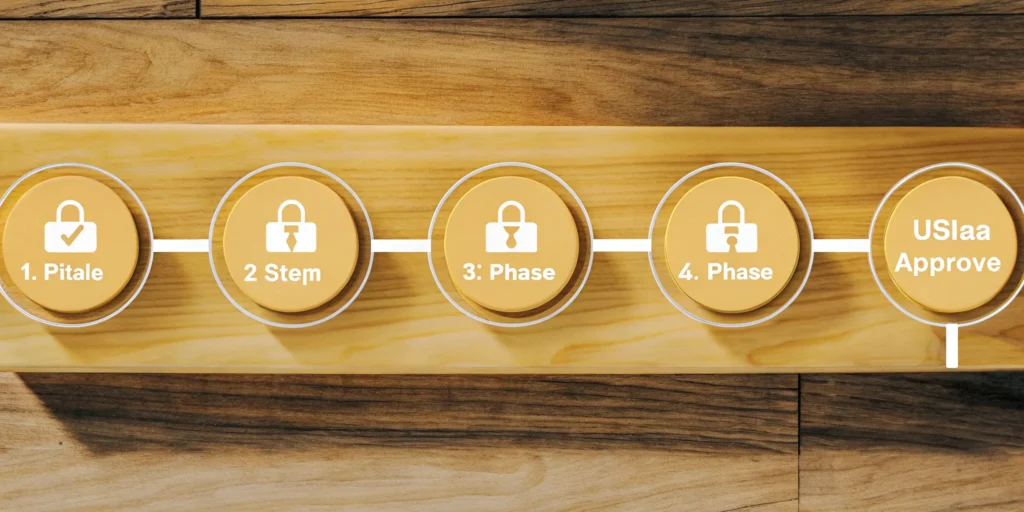
The mortgage process can sometimes feel like a black box. You send your sensitive financial information into the void and hope for the best. But it doesn’t have to be that way. We believe in transparency and partnership, which means you should always know where you stand. Understanding how to check your USDA loan approval status empowers you and turns a stressful waiting game into a clear, step-by-step journey. Instead of wondering what’s happening behind the scenes, you can be an active participant. Let’s break down exactly who to ask, what to look for, and how to get the answers you need.
Key Takeaways
- Confirm your eligibility early: Don’t assume a USDA loan is out of reach. The program’s definition of “rural” includes many suburban areas and income limits are often higher than people expect, so checking the official guidelines should be your first step.
- Understand the dual-approval timeline: A USDA loan requires approval from both your lender and the USDA itself, a process that typically takes 30 to 60 days. Knowing this helps you set a realistic closing timeline and stay patient during the final government review stage.
- You control the speed of your application: While you can’t control the USDA’s review times, you can prevent most common delays. Keep your application on the fast track by organizing all financial documents beforehand, keeping your credit stable, and responding quickly to your lender.
What is a USDA Loan and Am I Eligible?
If you’ve been dreaming of owning a home but feel like a hefty down payment is holding you back, the USDA loan might be the perfect solution. It’s one of the best-kept secrets in the mortgage world, designed to make homeownership more accessible for people in suburban and rural areas. But before you can take advantage of its incredible benefits, you need to make sure you, and the property you want to buy, meet the program’s specific criteria.
Getting clear on eligibility is the first step. The USDA has three main pillars for qualification: your household income, the location of the property, and your credit history. It might sound like a lot to line up, but it’s more straightforward than you think. Let’s walk through exactly what you need to know to see if this fantastic loan program is the right fit for you.
The Basics: What It Is and Why It’s a Great Option
So, what exactly is a USDA loan? Backed by the U.S. Department of Agriculture, USDA loans are designed to assist low to moderate-income households in purchasing homes in eligible rural areas. The goal is to encourage development and homeownership outside of major metropolitan centers. The biggest draw for most homebuyers is that USDA loans offer 100% financing, meaning you can often buy a home with no down payment at all.
Beyond the zero-down-payment perk, these loans often come with lower mortgage insurance costs compared to conventional or FHA loans. This combination can significantly lower your upfront costs and your monthly payment, making your dream home much more affordable. It’s a powerful tool for first-time homebuyers or anyone looking for a more budget-friendly path to owning a home.
Do You Meet the Income Requirements?
The USDA loan program is geared toward helping families with modest incomes, but you might be surprised by how generous the limits can be. To qualify for a USDA loan, your household income must be within certain limits set by the USDA. These thresholds aren’t one-size-fits-all; they vary quite a bit by location and the number of people in your family.
Don’t assume you make too much to qualify without looking into it. The best way to know for sure is to check the specific requirements for your area. The USDA provides an easy-to-use online tool where you can input your state, county, and household details to see if you fall within the qualifying income range.
Finding an Eligible Property
This is where many people get tripped up. When they hear “USDA,” they picture a farmhouse in the middle of nowhere. While that’s certainly an option, the USDA’s definition of “rural” is incredibly broad. Many suburban neighborhoods and small towns just outside of major city limits qualify. You might be shocked to find that the community you’ve been eyeing is already in an eligible zone.
The property you wish to purchase must be located in an area designated as “rural” by the USDA. To find out if a home you’re interested in qualifies, you can use the official Property Eligibility Program tool on the USDA website. Just type in the address, and the map will tell you instantly if it’s in an approved area.
What Credit Score Do You Need?
While the USDA itself doesn’t set a hard minimum credit score, the lenders who issue the loans do. Most lenders, including us here at UDL Mortgage, prefer a score of at least 640. A score in this range shows a history of responsible credit management and makes you a less risky borrower in the eyes of underwriters.
Having a good credit score can help streamline the approval process and increase your chances of securing the loan without any hiccups. If your score is a little below 640, don’t be discouraged! It just means we may need to look more closely at your overall financial picture or discuss steps you can take to strengthen your credit profile before moving forward.
How Long Does USDA Loan Approval Take?
So, you’ve set your sights on a USDA loan—great choice! Now for the big question: how long will it take to get the keys to your new home? Generally, you can expect the USDA loan approval process to take anywhere from 30 to 60 days from start to finish. This timeline isn’t set in stone, as it can shift based on your specific situation, your lender’s efficiency, and how quickly the USDA is processing applications. Think of it less like a sprint and more like a steady jog to the finish line. The key is to be prepared for each step of the journey.
Your Approval Timeline: What to Expect
The loan process unfolds in a few key stages. First, you’ll get pre-approved, which usually takes just a few days. This gives you the green light to start house hunting. Once you find a home and make an offer, the real work begins. You’ll submit your full application, and the property will be appraised to make sure it meets USDA standards. The longest part of the wait is typically the underwriting stage, where a specialist reviews every detail of your file. This can take a couple of weeks, but it’s a crucial step to ensure everything is in order before the USDA gives its final stamp of approval.
Pre-Approval vs. Final Approval Timelines
It’s helpful to understand the difference between getting pre-approved and getting final approval. A pre-approval is a quick, early step that can happen in as little as one to three business days. It’s the lender’s initial assessment that you’re a good candidate for a loan. This is the document you’ll use to show sellers you’re a serious buyer. Final approval, on the other hand, comes at the very end of the process, after underwriting is complete and the USDA has signed off. Once you get the “clear to close,” you’re just a few days away from signing the final papers and officially becoming a homeowner. You can start your application today to get the pre-approval process rolling.
What Can Slow Down Your Approval?
A few common roadblocks can add time to your loan approval. Simple mistakes or missing information on your application can cause delays, so it’s worth taking the time to double-check every detail. The condition of the property can also be a factor; if the appraisal calls for repairs, they’ll need to be completed before the loan can close. Your financial history plays a role, too. While USDA loans are flexible, having your finances organized can make for a smoother process. Finally, since a government agency is involved, their processing times can sometimes create a bottleneck, which is why working with an experienced lender is so important.
Setting Realistic Expectations for Your Timeline
Even if you do everything right, the mortgage process requires a bit of patience. It’s completely normal for the timeline to stretch, especially during busy seasons. The best thing you can do is stay in close communication with your loan officer and respond quickly to any requests for information. Keep your eye on the prize: your new home. While you wait, you can read testimonials from homeowners who have successfully made it to the closing table. Remember that each step forward is a step closer to your goal.
The USDA Loan Approval Process, Step-by-Step
Getting a mortgage can feel like a huge undertaking, but understanding the process makes it much more manageable. The USDA loan approval journey has a few unique steps, but it’s nothing you can’t handle. From the moment you apply to the day you get your keys, the entire process typically takes between 30 and 60 days. Think of it as a series of checkpoints, each one getting you closer to your new front door. This guide breaks down the five main stages so you know exactly what to expect and how you can help keep things moving smoothly.
The reason the USDA process has these specific steps is because it’s a government-guaranteed loan. This means the USDA provides a safety net for lenders, which is why they can offer such great benefits like no down payment. In return, both your lender and the USDA need to do their due diligence to ensure you meet the eligibility criteria and that the home is a safe and sound investment. Your role in this is to be prepared and responsive. Having your documents ready and answering any questions from your loan officer quickly will make a huge difference. We’ll be your partner through it all, guiding you from one checkpoint to the next. Let’s walk through the five main steps together.
Step 1: Submit Your Application and Documents
This is where your homeownership journey officially begins. The first step is to complete your loan application and gather all your necessary financial documents. Think of it as creating a complete financial picture for your lender. You’ll typically need items like recent pay stubs, W-2s from the last two years, federal tax returns, and recent bank statements. Having these documents organized and ready to go will make the process much smoother. Once you have everything in order, you can submit your application and get the ball rolling.
Step 2: The Initial Review and Eligibility Check
After you submit your application, your lender gets to work. This initial review stage usually takes a few days to a week. We’ll look over your basic personal and financial information to confirm you meet the core USDA loan requirements. This includes checking your income to ensure it falls within the local limits and reviewing your credit history. This step is all about making sure you’re a good fit for the program before we move on to the more detailed underwriting phase. It’s a crucial first checkpoint on your path to approval.
Step 3: Underwriting and the Property Appraisal
Once your initial eligibility is confirmed, your file moves to underwriting. This is where a loan underwriter takes a deep dive into your finances to give their official approval. While that’s happening, you’ll be busy finding the perfect home. After you have a property under contract, we’ll order an appraisal. This part can take one to two weeks. An appraiser will visit the home to determine its value and ensure it meets USDA’s safety and quality standards. The property must be in a USDA-approved area and be a sound investment for both you and the lender.
Step 4: The Final USDA Review
Your loan has been approved by the underwriter—congratulations! But there’s one more review to go. Your entire loan file is now sent directly to the USDA for its final stamp of approval. This is a quality control step where the USDA double-checks that the lender followed all program guidelines correctly. This final review typically takes one to two weeks. It can feel like you’re just waiting around during this stage, but it’s a standard and essential part of the process that ensures everything is in perfect order for your home loan.
Step 5: Getting to the Closing Table
Once the USDA gives the final sign-off, you’ll get the “clear to close!” This is the exciting news everyone has been working toward. From here, your lender will prepare your final loan documents for you to sign. The overall closing time for a USDA loan is usually between 30 and 45 days from your initial application. At your closing appointment, you’ll sign the paperwork, pay your closing costs, and officially become a homeowner. It’s the final step in the process and the moment you finally get the keys to your new home.
How to Check Your USDA Loan Application Status
Waiting to hear back about your loan application can feel like watching paint dry. You’re excited, a little anxious, and just want to know what’s happening. The good news is you don’t have to sit in the dark. Staying informed is not only possible, but it’s also a smart way to help keep the process moving smoothly. Here are five simple ways to check your USDA loan status and what you need to know at each step.
Ask Your Lender for an Update
Your lender is your primary guide through the USDA loan process, so don’t hesitate to reach out to them first. They have direct access to your file and are in the best position to give you a real-time update. A quick phone call or email is often all it takes to get the information you need. When you work with an experienced lender, they expect to hear from you and are prepared to answer your questions. They can clarify where you are in the timeline, what the next steps are, and if they need anything from you to prevent delays. Building a good relationship with your loan officer makes the entire experience feel more like a partnership.
Use Your Lender’s Online Portal
Many lenders, including us at UDL Mortgage, offer an online portal where you can track your loan’s progress 24/7. This is an incredibly convenient way to see exactly which stage your application is in—from initial submission to underwriting and final approval. These portals often let you securely upload any required documents and send messages directly to your loan team. If your lender offers this tool, make it your first stop for a quick status check. It gives you instant access to information without having to play phone tag. Our own Elite Partner Program is built on providing this kind of streamlined communication and access.
What Do Those Status Updates Mean?
When you check your status, you’ll likely see terms like “Processing,” “In Underwriting,” or “Conditionally Approved.” It’s helpful to know what these mean. “Processing” usually means your application is being prepared for the underwriter. “In Underwriting” is the deep dive, where the lender verifies your financial information. “Conditionally Approved” is a great sign! It means the underwriter has signed off, but you need to provide a few more documents or details. The final decision comes after your full application is reviewed by both the lender and USDA Rural Development. Understanding these different loan program milestones helps you see the progress you’re making.
What to Have Ready When You Check
To make your check-in as efficient as possible, have a few key pieces of information on hand. Your loan number is the most important, as it allows your lender to pull up your file instantly. It’s also a good idea to have the property address and your personal details ready. Keep your financial documents organized in a folder on your computer or in a physical file. That way, if your lender mentions they need an updated pay stub or bank statement during your conversation, you can send it over right away. Being prepared shows you’re an engaged and organized borrower, which lenders always appreciate. For more tips, you can always learn more on our blog.
When to Follow Up (and How)
It’s important to strike a balance between staying informed and giving your loan team space to work. Following up about once a week is a reasonable cadence unless a specific deadline is approaching. A polite email is often the best method, as it creates a written record and allows your loan officer to respond when they have your file in front of them. The key is to be responsive on your end, too. If your lender requests a document, try to send it back the same day. Clear and prompt communication is a two-way street, and it’s something our clients consistently praise in their testimonials.
What Can Delay Your USDA Loan Approval?
Getting a USDA loan is an exciting step toward homeownership, but sometimes the path to closing has a few bumps. While most applications move along smoothly, certain issues can pop up and slow things down. The good news is that most of these delays are preventable. Knowing what to look out for ahead of time is your best defense against a stalled application.
Think of it this way: the more you understand the potential hurdles, the better you can prepare to clear them. From simple paperwork mistakes to issues with the property itself, being proactive can make all the difference. We’ll walk through the most common reasons for delays so you can keep your application on the fast track and get the keys to your new home without unnecessary stress. Working with an experienced lender who understands the ins and outs of the USDA process is also a huge advantage, as they can help you anticipate and resolve these issues before they become major problems.
Missing or Incorrect Paperwork
This one might seem obvious, but it’s one of the most frequent causes of delays. A simple typo, a missing signature, or an outdated document can bring your application to a screeching halt. Lenders and the USDA need a complete and accurate picture of your finances, so every detail matters. Before you submit anything, take the time to double-check all your forms. Make sure your name is spelled correctly, your Social Security number is accurate, and you’ve included all the required pay stubs and bank statements. A few extra minutes of review can save you weeks of waiting for corrections to be processed.
Property Eligibility Issues
A USDA loan is designed for homes in specific rural and suburban areas, and the property itself has to meet certain standards. A major delay can occur if you make an offer on a home only to find out later that it’s not in an eligible location or doesn’t meet the USDA’s minimum property requirements for safety and livability. You can avoid this headache by checking the USDA’s property eligibility map before you even start your home search. This simple step ensures you’re only looking at homes that qualify, preventing disappointment and delays down the road.
Credit and Income Hurdles
Your financial profile is under a microscope during the loan approval process. Any sudden changes can raise red flags and cause delays. For instance, taking out a new car loan or opening a new credit card can alter your debt-to-income ratio and affect your eligibility. It’s also crucial that your household income falls within the USDA’s specific limits for your area. If your income is inconsistent or difficult to document, be prepared to provide extra paperwork. The best strategy is to keep your finances stable from the moment you apply until you close.
Appraisal Delays and Low Valuations
The property appraisal is a critical step where an independent appraiser assesses the home’s value and condition. Delays can happen if the appraiser has trouble scheduling a visit or if they find issues with the property that need to be fixed before the loan can be approved, like a leaky roof or unsafe wiring. Another potential snag is a low valuation. If the home appraises for less than your offer price, it can create a financing gap that needs to be resolved. This might involve renegotiating with the seller or coming up with more cash, both of which can slow down your timeline.
USDA Funding Delays
Sometimes, delays are completely out of your control and have nothing to do with your application or the property. The USDA has its own review process, and when they experience a high volume of applications, a backlog can form. This is especially common during peak homebuying seasons. While you can’t control the government’s processing times, working with a lender who has a strong relationship with the USDA can help. An experienced loan officer knows how to package your file for a smooth review and can effectively communicate with the USDA to keep things moving. If you’re ready to get started with a team that knows the process, you can apply now.
How to Speed Up Your USDA Loan Approval
Waiting for loan approval can feel like watching paint dry, but you have more power than you think to keep things moving. While the USDA has its own timeline, taking a few proactive steps can help you avoid common delays and get to the closing table faster. Think of it as clearing the runway before the plane is scheduled to land. A little preparation goes a long way in ensuring a smooth and speedy journey to your new home.
Get Your Documents Ready Ahead of Time
One of the biggest hold-ups in the mortgage process is the back-and-forth over paperwork. You can get ahead of this by gathering all your financial documents before you even apply. Start a folder (digital or physical) and fill it with recent pay stubs, the last two years of tax returns and W-2s, and a few months of bank statements. Having everything organized and ready to go means you can send it to your lender in one neat package, preventing delays right from the start. This simple step shows you’re a prepared and serious buyer.
Choose an Experienced USDA Lender
Not all lenders are created equal, especially when it comes to government-backed loans. USDA loans have specific rules and processes that can trip up an inexperienced lender. Working with a team that specializes in these loans is a game-changer. An experienced lender understands the nuances of the USDA process, from eligibility checks to the final review. They can anticipate potential issues, guide you through the requirements, and ensure your application is submitted correctly the first time. This expertise is exactly what you get when you work with a dedicated team like ours.
Polish Your Financial Profile Before Applying
Your financial history plays a big role in how quickly your loan gets approved. A strong credit score and a stable financial picture make you a lower-risk borrower, which can streamline the underwriting process. Before you apply, take some time to review your credit report for any errors and see if you can pay down high-interest credit card balances. A lower debt-to-income ratio not only looks good to underwriters but also gives you more breathing room in your budget. A little financial spring cleaning can make a huge difference in your approval timeline.
Be Responsive and Communicate Clearly
Once your application is submitted, think of you and your lender as a team with a shared goal: getting you into your new home. Your lender will likely reach out with questions or requests for additional information. The faster you can respond, the faster they can move your file forward. Make it a habit to check your email daily and answer any questions as quickly and thoroughly as you can. Clear and timely communication is key to preventing your application from sitting idle on someone’s desk.
Know the Eligibility Rules Inside and Out
Doing a little homework on USDA loan requirements can save you a lot of time and potential disappointment. The two main components are income and property eligibility. The USDA has specific income limits based on your household size and county, and the home you want to buy must be in a designated rural area. You can use the USDA’s official website to check property eligibility and get a sense of the income guidelines. Understanding these rules beforehand helps you focus your home search and ensures you’re applying for a loan you truly qualify for.
Related Articles
- USDA Eligible Areas: A Homebuyer’s Guide
- USDA Guaranteed Loan Program: Buy a Home with $0 Down
- USDA Direct Loan Guide for First-Time Home Buyers
Frequently Asked Questions
Do I have to buy a house in the middle of nowhere to get a USDA loan? Not at all! This is one of the biggest misconceptions about the program. While the “A” in USDA stands for Agriculture, the department’s definition of “rural” is surprisingly broad. Many small towns and suburban neighborhoods just outside major city limits qualify. You can use the USDA’s official eligibility maps online to check specific addresses and you might be surprised to find that the area you’re already interested in is approved.
I don’t think my income is “low.” Should I still look into a USDA loan? Yes, you absolutely should. The income limits are based on the median income in a specific county and your household size, so they can be much higher than you might expect, especially in more expensive areas. Don’t assume you make too much money without checking the official numbers first. It only takes a few minutes to look up the limits for your county on the USDA’s website, and you could be missing out on a fantastic opportunity if you disqualify yourself prematurely.
If there’s no down payment, does that mean I don’t need any cash to buy a home? While the zero-down-payment feature is a huge benefit, you will still need some money for other expenses. You should plan to have funds available for closing costs, which include things like the appraisal fee, title insurance, and other administrative charges. You may also have an earnest money deposit when you make an offer. In some cases, you can roll the closing costs into your loan or receive assistance from the seller, but it’s always wise to have some savings ready.
What’s the single most important thing I can do to ensure my loan process goes smoothly? Your main job is to be prepared and responsive. Before you even apply, gather all your financial documents—pay stubs, tax returns, bank statements—into one place. Once you’re in the process, respond to any requests from your loan officer as quickly as you can. A delay in getting them a document can cause a delay in your closing. Think of your lender as your partner; clear and fast communication from your end makes their job easier and keeps your application moving forward.
My credit score isn’t perfect. Does that automatically disqualify me for a USDA loan? No, it doesn’t. While most lenders look for a credit score of 640 or higher for a smoother approval, a lower score isn’t an automatic rejection. Lenders may just need to take a closer look at your overall financial situation, like your payment history or any savings you have. If your score is a bit low, it might be a good idea to talk with a loan officer who can review your specific circumstances and suggest steps you can take to strengthen your application.
