
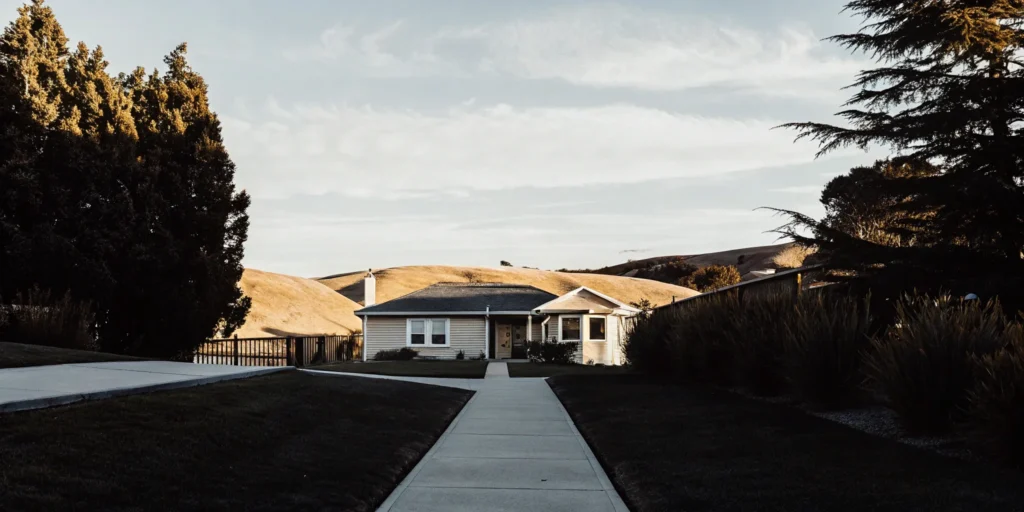
When you hear the term “USDA loan,” you might picture a farmhouse miles from civilization. But the reality is much different. The USDA’s definition of “rural” is surprisingly broad and includes many charming small towns and quiet suburban neighborhoods you might not expect. This means the zero-down-payment home loan you thought was out of reach could be a perfect fit for the house you’ve been eyeing. The only way to know for sure is to start with a USDA eligibility address check. This simple online tool is the key to unlocking this incredible opportunity. Let’s clear up the confusion and show you how to find out if your dream home qualifies.
Key Takeaways
- Start with the Address: A USDA loan is tied to a property’s location, so always check the official eligibility map first. This simple step confirms if a home is in a qualifying rural or suburban area and saves you from pursuing a property that won’t work.
- Meet Both Property and Personal Rules: Finding an eligible home is only half the journey; you also need to qualify personally. Lenders will review your household income against local limits, check your credit history, and assess your debts to ensure the loan is a sustainable fit for you.
- Have a Plan B Ready: If a home isn’t USDA-eligible, don’t get discouraged. An experienced lender can quickly pivot to other fantastic low-down-payment options like FHA or conventional loans, ensuring you have a clear path to homeownership no matter what.
What Is a USDA Eligibility Address Check?
A USDA Eligibility Address Check is the first step to finding out if a home qualifies for a special type of government-backed mortgage. The United States Department of Agriculture (USDA) created these loans to help people buy homes in designated rural and suburban areas, making homeownership more accessible outside of major cities. Think of it as a location-based green light for your loan. Before you can even think about income or credit, the property itself has to be in a USDA-approved zone. This is a hard-and-fast rule of the program, designed to channel development and support into specific communities.
The good news is that you don’t have to guess. The USDA provides an official eligibility website where you can simply type in a property’s address to see if it qualifies. This simple search tells you instantly whether the home is located in an area targeted for development and support. It’s a straightforward but crucial part of the process, and it’s the foundation upon which the rest of your USDA loan application is built. Getting this check done early saves you time and helps you focus your home search on properties that are actually an option for this fantastic loan program.
Why Your Address Is Key for a USDA Loan
For a USDA loan, the saying “location, location, location” has never been more true. Your potential home’s address is the single most important factor because the entire program is designed to support specific communities. The USDA uses a detailed map to outline exactly which areas are considered eligible. If a property falls even one foot outside of these designated rural zones, it won’t qualify for this type of financing, no matter how perfect the house is or how strong your application is. This is why checking the address first saves you time, energy, and potential heartbreak down the road.
How USDA Loans Help You Buy a Home in a Rural Area
USDA loans are a game-changer for many aspiring homeowners, primarily because they offer a 0% down payment option. This is one of the biggest hurdles for many buyers, and eliminating it can turn the dream of owning a home into a reality much sooner. By making it easier to buy in rural and suburban communities, the program helps these areas grow. Plus, the USDA updates the eligible areas annually based on population data, so a neighborhood that wasn’t eligible last year might be this year. It’s a flexible program designed to meet current housing needs.
How to Check a Property’s USDA Eligibility
So, you’ve found a house you love, and you’re hoping a USDA loan can make it yours. The first big question you need to answer is whether the property is even in a USDA-eligible area. This is a non-negotiable requirement, but thankfully, finding out is pretty simple. The USDA has created online tools to give you a quick answer, so you can know within minutes if you’re on the right track. Think of it as the first checkpoint on your homebuying journey. Getting this step right from the start saves you time and helps you focus your search on homes that actually qualify.
Use the Official USDA Property Eligibility Map
Your first stop should always be the official USDA Property Eligibility Map. This is the direct source, so you can trust the information you find there. The map is designed to show you which areas the USDA considers “rural” for the purpose of its home loan programs. It’s a user-friendly tool that lets you plug in a specific address to see if it falls within a qualified zone. Before you get too attached to a property, spending a few moments with this map can confirm whether it’s worth pursuing with a USDA loan. It’s an essential first step that brings immediate clarity to your home search.
A Step-by-Step Guide to Verifying an Address
Checking an address on the USDA map is a straightforward process. You don’t need any special information—just the street address of the property you’re interested in.
Here’s how to do it:
- Navigate to the USDA’s property eligibility page.
- Select the loan program you’re interested in (usually “Single Family Housing Guaranteed”).
- Click on the “Property Eligibility” link.
- Enter the full property address into the search bar and click “Go.”
The map will then pinpoint the location and give you a clear message stating whether the address is in an eligible area. It’s a simple check that provides a huge piece of the puzzle.
Preliminary vs. Final Eligibility: What’s the Difference?
Here’s a key detail to remember: the result you get from the online map is considered preliminary. It’s a very strong indicator, but it’s not the final, official word. The final determination of a property’s eligibility is made by the USDA’s Rural Development office only after they receive your complete application. Why the distinction? Sometimes, zoning boundaries change or other specific factors come into play that the map might not reflect in real-time. Think of the map as your green light to move forward with confidence, but the final approval comes with your loan application. This is where working with an experienced lender helps you get through the official review smoothly.
What Makes a Property Eligible for a USDA Loan?
When you’re looking into a USDA loan, it’s easy to focus on your own financial picture—your income, your credit score, and your savings. But there’s another major piece of the puzzle: the property itself. The USDA has specific requirements for the homes it will back, and understanding them is just as important as meeting the personal eligibility criteria. Think of it this way: because the USDA is guaranteeing your loan, they want to ensure the home is a solid, safe investment located in an area the program is designed to support.
These property rules aren’t meant to be restrictive. Instead, they help the program achieve its goal of building up rural and suburban communities. The three main things the USDA looks at are the home’s location, its physical condition, and how you plan to use it. A home must be in a designated rural area, meet basic health and safety standards, and serve as your primary residence. Meeting these guidelines is a key step toward securing one of the fantastic loan programs that can make homeownership more accessible.
What the USDA Considers a “Rural” Area
The word “rural” might bring to mind farms and wide-open spaces, but the USDA’s definition is much broader. A property’s eligibility is determined by census data, not by how many acres it has. Generally, the USDA considers communities with populations of 20,000 or less to be eligible. You might be surprised to find that many small towns and suburban neighborhoods just outside of major metropolitan areas qualify. The best way to know for sure is to check the address on the official USDA property eligibility map. This tool gives you a clear yes or no, taking the guesswork out of your search and helping you focus on homes that are a perfect fit for the program.
Meeting Property Condition and Safety Standards
The USDA isn’t looking for a palace, but it does require the home to be safe, sound, and functional. This is to protect you as the buyer and to ensure the property is a worthwhile investment. An appraiser will check to make sure the home meets minimum property requirements. This includes having things like a working heating and cooling system, a solid foundation, a roof that will last, and reliable plumbing and electrical systems. The home also needs to be accessible from a paved or all-weather road. These standards ensure you’re moving into a home that is livable from day one, without needing major, immediate repairs that could strain your budget.
The Primary Residence Rule
One of the most straightforward rules for a USDA loan is that the property must be your primary residence. This means it’s the home you will live in full-time. You can’t use a USDA loan to purchase a vacation home, a second home for weekend getaways, or an investment property that you plan to rent out to tenants. This requirement helps keep the program focused on its core mission: helping families and individuals buy and live in their own homes. By ensuring borrowers are part of the community, the program helps foster stable, owner-occupied neighborhoods, which benefits everyone in the area.
Are You Eligible? USDA Income and Credit Requirements
Once you’ve confirmed a property is in an eligible area, the next step is to look at your own financial picture. The USDA has specific guidelines for income and credit to ensure the loan program helps the moderate-income families it was designed for. Think of these requirements not as hurdles, but as guideposts to make sure you’re set up for successful and sustainable homeownership. It’s about finding a home you love and a mortgage you can comfortably manage long-term.
The main factors lenders will review are your household income, the number of people in your household, your credit history, and your existing debts. Each piece helps create a complete picture of your eligibility. While the numbers might seem intimidating at first, they’re more straightforward than you think. Understanding them ahead of time puts you in a great position to move forward with confidence. If you’re ever unsure how your situation fits into these guidelines, exploring different loan programs with a trusted lender can provide clarity and help you find the perfect fit.
How Income Limits Are Set for Your Area
USDA loan eligibility is closely tied to what’s called the Area Median Income (AMI). To qualify, your household income generally cannot be more than 115% of the median income for that specific county. This rule ensures the program serves its intended audience of moderate-income households in rural and suburban areas.
Because income levels vary so much across the country, these limits are not one-size-fits-all. The income cap in a rural county in California will be very different from one in Ohio. The best way to know for sure is to use the USDA’s official income eligibility tool, which lets you check the specific limits for your area based on the most current data.
Factoring in Your Household Size
The income limit isn’t just one number; it adjusts based on the size of your household. The USDA recognizes that a larger family has different financial needs than a single person, so the income caps are higher for bigger households. This ensures the program remains accessible to families of all sizes.
For example, the income limit for a household of one to four people is lower than the limit for a household of five to eight people. When calculating your household size, you’ll need to include everyone who will be living in the home, even if they aren’t on the loan application. This gives the lender an accurate picture of your household’s financial situation and helps determine the correct income threshold for your family.
Credit Score and Debt-to-Income (DTI) Guidelines
Beyond income, lenders will look at your credit history and existing debts. For a USDA loan, you’ll typically need a minimum credit score of 620. This score gives lenders a quick snapshot of how you’ve managed credit in the past. A higher score often leads to a smoother approval process.
Lenders will also calculate your debt-to-income (DTI) ratio, which compares your total monthly debt payments to your gross monthly income. For USDA loans, the maximum DTI ratio is usually around 41%. This guideline helps ensure you’ll have enough room in your budget to handle your new mortgage payment alongside your other financial obligations. If you’re ready to see where you stand, you can always start an application to get a clear picture of your qualifications.
What Kinds of Homes Qualify for a USDA Loan?
One of the best things about the USDA loan program is its flexibility. While it’s designed to support homeownership in rural areas, it doesn’t limit you to a specific type of house. You might be surprised by the variety of properties that are eligible for this fantastic financing option. Whether you’re dreaming of a classic family home, a modern modular design, or even building from scratch, a USDA loan can help make it happen. Let’s look at the main types of homes you can purchase.
Single-Family Homes and Condos
When you think of a USDA loan, a traditional single-family home is probably what comes to mind, and for good reason—they are the most common property type financed through the program. But the options don’t stop there. You can also use a USDA loan to purchase a condominium, as long as the property is located in an eligible area and the condo project is approved by other agencies like the FHA, VA, or conventional lenders. This opens up possibilities for buyers who prefer a lower-maintenance lifestyle. No matter the type, the home must serve as your primary residence and meet basic property condition standards to ensure it’s safe and sound.
Manufactured and Modular Homes
Yes, you can absolutely use a USDA loan for manufactured and modular homes. This is great news for buyers looking for more affordable housing solutions without sacrificing quality. To qualify, the home generally needs to be brand new and purchased from an approved dealer or contractor. It must also be permanently attached to an approved foundation and meet strict HUD safety and construction standards. This flexibility makes it easier for more families to find a home that fits their budget and lifestyle, expanding the path to homeownership beyond traditional site-built houses. It’s just one of the many loan programs designed to fit unique needs.
New Construction Homes
If you can’t find the perfect existing home, why not build it? USDA loans can also be used to finance the construction of a new home. The single-close construction-to-permanent loan combines the financing for the lot purchase, construction, and mortgage into one convenient package. This means one application, one closing, and the ability to enjoy the benefits of a USDA loan—like no down payment—while building a home tailored to your exact specifications. You’ll need to work with a licensed and approved builder, but it’s an incredible opportunity to create your dream home in a community you love. If this sounds like the right path for you, you can apply now to get started.
Common Myths About USDA Eligibility
USDA loans are a fantastic option for many homebuyers, but they’re also surrounded by a lot of confusion. These misconceptions can cause people to overlook a loan program that might be perfect for them. Let’s clear the air and bust a few of the most common myths so you can see if a USDA loan is the right path to your new home.
Myth #1: “Rural” Means You’ll Be Miles From Town
When you hear “rural,” you might picture a farmhouse with nothing but fields for miles. While that certainly qualifies, the USDA’s definition is much more flexible. The program generally defines eligible areas as communities with populations of 20,000 or less. This means many charming small towns and even some suburban neighborhoods just outside of major city limits are eligible. You might be surprised to find that the home you’re eyeing in a quiet subdivision qualifies for this incredible zero-down-payment loan.
Myth #2: Only Low-Income Families Qualify
This is another big one. While USDA loans are designed to help build up rural communities, they aren’t exclusively for low-income households. The program has income limits, but they are quite generous. To qualify, your household income generally can’t exceed 115% of the area’s median income. This opens the door for many moderate-income families who have a steady income but may not have a large down payment saved up. It’s always worth checking the specific limits for your area and exploring all the loan programs available to you.
Myth #3: The Online Map Is a Final Approval
The USDA’s property eligibility map is an excellent tool for starting your search, but it’s not a final guarantee. Seeing a property in an eligible zone is a great first step, but it doesn’t mean the home is automatically approved. The USDA makes the final call on a property’s eligibility only after reviewing a complete application. This is why working with an experienced lender is so important. We can help you confirm a property’s status and ensure your application is solid from the start, saving you time and potential heartbreak.
What If Your Dream Home Isn’t Eligible?
It can be a real letdown to find a home you love, only to discover it’s not in a USDA-eligible area. Since USDA loans are specifically for properties in designated rural locations—often in communities with populations under 20,000—it’s a common hurdle for buyers. But don’t get discouraged. This isn’t a dead end; it’s just a detour.
Think of it as an opportunity to explore other paths to homeownership that might be an even better fit for your financial goals. Whether you pivot to a different loan program or adjust your search area, you have plenty of great options. The key is to understand what those options are so you can move forward with confidence. Let’s walk through what you can do next.
Exploring Your Other Loan Options
If the property is the problem, not your qualifications, it’s time to look at other loan types. While a USDA loan is a fantastic tool for purchasing a home with no down payment, it’s far from your only choice. Government-backed alternatives like FHA and VA loans (if you’re a veteran or active-duty service member) offer flexible credit requirements and low down payments.
Conventional loans are another excellent route, especially if you have a solid credit history. Many people think you need 20% down for a conventional loan, but several programs allow for down payments as low as 3%. Each of these mortgage solutions has its own unique benefits, and our team can help you compare them to find the one that aligns perfectly with your situation.
How to Find Eligible Homes in Your Area
If your heart is set on a USDA loan, the next step is to refine your property search. The best strategy is to use the USDA eligibility map before you start touring homes. This way, you can focus your energy on areas where you know you can use the loan. Remember, the USDA defines “rural” based on census data, so you might be surprised to find eligible pockets just outside city limits or in certain suburban towns.
Working with a real estate agent who understands the local USDA map is a huge advantage. They can set up property alerts specifically for eligible zones, saving you time and preventing future disappointment. Our Elite Partner Program connects us with knowledgeable agents who are experts at finding these hidden gems for their clients.
Comparing FHA and Conventional Loans
Two of the most popular alternatives to USDA loans are FHA and conventional loans. An FHA loan is insured by the Federal Housing Administration and is great for buyers who need more flexibility with credit scores. The biggest differences are that FHA loans are available anywhere in the U.S. and require a small down payment, typically 3.5%. They also come with mortgage insurance for the life of the loan.
A conventional loan isn’t government-insured and usually requires a higher credit score. While a 20% down payment helps you avoid private mortgage insurance (PMI), many lenders offer conventional loans with much smaller down payments. The best choice depends entirely on your financial profile, and the easiest way to figure it out is to talk with a loan expert who can run the numbers for you.
How to Strengthen Your USDA Loan Application
Once you’ve confirmed a property is in an eligible area, the next step is to prepare your finances. A strong application not only increases your chances of approval but can also make the entire process feel smoother and less stressful. Think of it as setting yourself up for success from day one. By focusing on a few key areas, you can present yourself as a reliable borrower and move closer to getting the keys to your new home. Here’s where to direct your attention.
Work on Your Credit Score
Your credit score is one of the first things a lender looks at—it’s a quick snapshot of your financial health. While the USDA program is flexible, most lenders look for a score of 640 or higher. A stronger score can help you secure a better interest rate, saving you money over the life of your loan. To improve your score, focus on paying your bills on time and reducing your credit card balances. It’s also a great idea to review your credit report for any errors and dispute them right away. Small, consistent efforts can make a big difference.
Manage Your Debt-to-Income Ratio
Your debt-to-income (DTI) ratio compares how much you owe each month to how much you earn. Lenders use it to gauge your ability to handle monthly mortgage payments. USDA guidelines generally recommend a DTI of 41% or less, but this isn’t always a strict cutoff. If you have a high credit score or significant savings, there can be some flexibility. If your DTI is on the higher side, look for ways to reduce your monthly debt. This could mean paying off a small personal loan or a credit card before you apply. Every little bit helps create more room in your budget and strengthens your loan application.
Get Your Savings and Documents in Order
Walking into the application process organized is a game-changer. It shows your lender you’re serious and prepared, and it saves you from scrambling for paperwork later. Before you apply, gather your key financial documents. This includes recent pay stubs, W-2s from the last two years, federal tax returns, and bank statements. Having these files ready to go will help your loan officer process everything quickly and efficiently. It’s a simple step that can significantly speed up your timeline from application to closing day.
Helpful Tools for Your USDA Home Search
Finding a home that qualifies for a USDA loan doesn’t have to feel like searching for a needle in a haystack. With the right resources, you can confidently identify eligible properties and move forward in your homebuying journey. These tools are designed to give you clarity and support, from checking an address online to connecting with an expert who can guide you through the fine print. Think of them as your personal toolkit for navigating the USDA home search process with ease.
Official USDA Websites and Maps
Your first stop should always be the source. The USDA offers an official and surprisingly user-friendly Property Eligibility Program tool on its website. This is the most reliable way to determine if a specific address is located within an eligible rural area. By simply entering the property details, you can get an initial confirmation in minutes. This is an essential first step before you get too attached to a property. It saves you time and potential heartache by ensuring you’re focusing your search on homes that actually qualify for this fantastic loan program.
Why a USDA-Approved Lender Is Your Best Resource
While online maps are great, nothing beats having a human expert on your side. A USDA-approved lender is your most valuable resource. We live and breathe these guidelines every day and are deeply familiar with the program’s specific requirements. We can offer personalized advice, help you understand the nuances of the application, and answer any questions you have about financing. Partnering with an experienced lender ensures you have a guide to help you through every step, from pre-approval to closing. Our team at UDL Mortgage specializes in these programs and is ready to provide the white-glove service you deserve.
Keeping Up with Annual Program Updates
It’s important to know that the USDA updates its eligible areas every year based on new population data. This means a property that was eligible last year might not be this year, and vice-versa. New opportunities can open up in areas you might not have considered before. Staying informed about these annual program updates is key to a successful search. A knowledgeable lender will be on top of these changes and can help you make sure you’re always working with the most current information, so you can focus on finding the perfect home without any last-minute surprises.
Related Articles
Frequently Asked Questions
I checked the USDA map and the house is eligible. Does that mean I’m guaranteed to get the loan? Finding a home in an eligible area is a fantastic first step, but it’s just one piece of the puzzle. Think of it as the green light to move forward. After confirming the property’s location, you still need to meet the personal eligibility requirements for income and credit. The property itself will also need to pass an appraisal to ensure it meets safety and condition standards. The online map gives you a preliminary confirmation, but the final approval for both you and the home comes from the USDA during the official application review.
Do I have to buy a farm or a house in the middle of nowhere to get a USDA loan? Not at all! This is one of the biggest misconceptions about the program. The USDA’s definition of “rural” is much broader than most people think and is based on population data, not how many acres of corn are nearby. Many small towns and even suburban neighborhoods just outside of major city limits qualify. You might be surprised to find that a charming home in a quiet subdivision is in a USDA-eligible zone.
Can I use a USDA loan to buy a fixer-upper? Generally, a USDA loan is not the best fit for a home that needs major repairs. The property must meet certain minimum health and safety standards to qualify, meaning it needs to be safe and livable from the day you move in. An appraiser will check for things like a solid roof, a functional heating system, and sound electrical wiring. While a home that needs minor cosmetic updates is usually fine, a true fixer-upper that requires significant work won’t pass the inspection.
What happens if the eligibility maps change after I’ve already found a house? The USDA does update its eligibility maps annually based on new census data, which can feel a little nerve-wracking. However, a property’s eligibility is typically determined at the time your complete loan application is submitted. If you are already under contract on a home, a mid-process map change is unlikely to affect your loan’s approval. This is another great reason to work with a lender who stays on top of these updates and can guide you with the most current information.
My income seems to be just over the limit for my area. Should I just give up on a USDA loan? Don’t count yourself out just yet. The income calculation for a USDA loan can be more complex than it seems. The program allows for certain deductions from your total household income, such as childcare expenses or costs for caring for a disabled adult, which could potentially bring you below the threshold. Before you move on, it’s always best to speak with an experienced loan officer who can review your specific financial details and give you a clear answer.
