
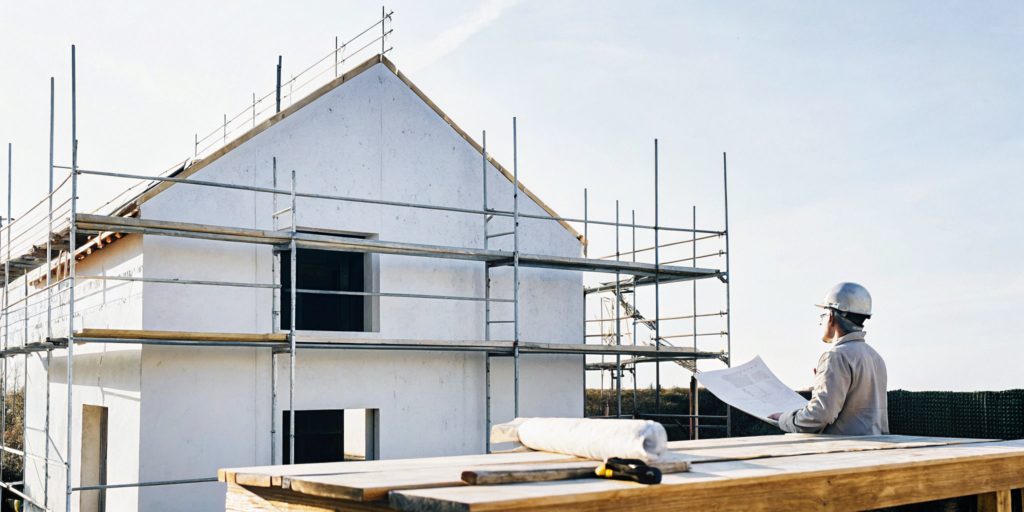
You’ve found the perfect house—it has great bones and is in your ideal neighborhood, but it needs a ton of work. How do you pay for both the property and the massive renovation it requires? This is a common challenge for ambitious homebuyers, and a construction loan is the solution. It allows you to roll the cost of the home and the remodel into a single financing package. Instead of juggling multiple loans, you get one streamlined process built for a fixer-upper. Learning how to get a construction loan for renovation empowers you to see the potential in properties others might overlook. Here, we’ll cover the essential steps, from creating a realistic budget to submitting a strong application that gets you to the finish line.
Key Takeaways
- Understand the Unique Loan Structure: A construction loan isn’t a lump-sum payment. Funds are released in stages, or “draws,” as work is completed, and you typically only pay interest on the money that has been paid out, keeping initial costs lower during the build.
- A Strong Application Requires a Detailed Plan: Before applying, finalize a comprehensive project budget that includes a 10-20% contingency fund. You’ll also need a signed contract and full credentials from a licensed, vetted builder to present a complete package to your lender.
- Seek Out Specialized Experience: Don’t treat a construction loan like a standard mortgage. Partner with a lender who has specific experience with renovation financing and understands the draw and inspection process, as their expertise is crucial for a smooth project.
What Is a Construction Loan for a Renovation?
If you’re dreaming of a major home makeover—not just new paint, but moving walls or adding a new story—you’ll likely need a special kind of financing. A construction loan is a short-term loan designed specifically to cover the costs of a significant renovation or building a new home from the ground up. Think of it as the financial foundation for your project. Unlike a personal loan or home equity line of credit, a construction loan is structured around your project’s timeline and budget.
Typically lasting about a year, these loans have a unique feature: funds are paid out in stages, or “draws,” as your project hits specific milestones. This ensures the money is used as intended and that work is progressing on schedule. Another major perk is that during the construction phase, you generally only pay interest on the funds you’ve used so far, which keeps your payments manageable while your home is a work in progress. Once your renovation is complete, the loan is either paid in full or converted into a permanent mortgage. This flexibility makes it a powerful financing option for homeowners ready to tackle a big transformation.
How It Differs From a Traditional Mortgage
It’s easy to confuse a construction loan with a traditional mortgage, but they operate very differently. A standard mortgage is a long-term loan (think 15 or 30 years) where you start paying back both the principal and interest right away. A construction loan, on the other hand, is a short-term solution. You’ll make smaller, interest-only payments during the build, which helps manage your cash flow when you might be paying for alternate housing. Another key difference is that most lenders will require you to work with a licensed and vetted builder to ensure the project is managed professionally and stays on track.
When Do You Need One?
So, when is a construction loan the right move? This type of financing is built for large-scale projects that go far beyond cosmetic updates. You’ll want to consider a construction loan if you’re planning to:
- Build a custom home from the ground up.
- Complete an extensive renovation, like a gut job or adding a second floor.
- Purchase a fixer-upper that requires major structural changes.
- Tear down an existing structure to rebuild your dream home on the same lot.
If your project involves significant construction, this loan provides the funds you need to get started.
What Are the Types of Renovation Loans?
When you hear “renovation loan,” it’s easy to think it’s a single, specific product. But the reality is that financing a home project isn’t a one-size-fits-all deal. The best loan for you depends entirely on your specific situation and goals. Are you building a brand-new home from the ground up, or are you finally tackling that kitchen remodel you’ve been pinning for years? Do you have a good amount of equity in your home already, or are you buying a fixer-upper that needs immediate work? Answering these questions will point you toward the right financial tool.
Understanding the different loan programs available is the first step in making a smart, confident decision. Think of it like choosing the right tool for a job—you wouldn’t use a hammer to saw a board. Similarly, the financing for a new build looks very different from the loan you’d use for a bathroom update. We’ll walk through the main options so you can see how they work. Each type has its own structure, benefits, and ideal use case, from all-in-one construction financing that covers you from foundation to finish, to loans that let you tap into the value you’ve already built in your current home. Getting familiar with these categories will help you have a more productive conversation with your lender and ensure your project gets started on solid financial footing.
Construction-to-Permanent Loans
If your dream is to build a home from scratch, this is the loan for you. A construction-to-permanent loan is an all-in-one financing solution that covers the cost of construction and then converts into a standard mortgage once the house is built. The biggest advantage here is simplicity. You go through the application and closing process just once, saving you time, paperwork, and money on closing costs. Some lenders even offer a “float-down option,” which gives you a chance to lock in a lower interest rate if they happen to drop during the construction phase. It’s a great way to streamline the process of building a new home.
Renovation Loans
For those looking to buy a fixer-upper or update their current home, a renovation loan is the perfect fit. Unlike other loans based on your home’s current value, this one is based on its future value after the improvements are complete. This is a huge plus because it allows you to borrow the funds you need for the actual project. The cost of the renovations is simply rolled into your mortgage. Many of these renovation loans also come with attractive low-down-payment options. For example, some programs allow you to put down as little as 3%, making it much more accessible to turn a house with good bones into your dream home.
Home Equity Construction Loans
If you’re a homeowner with some equity built up, you can put that value to work for your renovation. A home equity construction loan isn’t a single product but rather a way to use your home’s equity to get cash for your project. You can do this with a cash-out refinance, which replaces your current mortgage with a new, larger one, or with a second mortgage like a home equity loan or a home equity line of credit (HELOC). This is often a straightforward option for funding specific projects like a new deck or a finished basement, especially if you have significant equity in your home and want to avoid a more complex construction loan process.
Do You Qualify for a Construction Loan?
Getting a construction loan might seem complicated, but lenders are really just looking to confirm three key things: your financial stability, your investment in the project, and the quality of your plan. By understanding what they look for, you can prepare a strong application and get one step closer to your dream renovation. Let’s walk through what you’ll need to have in order.
Your Credit and Financial Picture
Lenders want to see a solid financial track record. Generally, this means having a credit score of 680 or higher. They’ll also look at your debt-to-income ratio, or DTI, which should ideally be 45% or lower. This ratio simply compares how much you owe each month to how much you earn. Most lenders will also require you to work with a licensed builder to ensure the project is handled professionally. If you happen to be a licensed builder yourself, you might be able to get an owner-builder loan. And yes, even first-time homebuyers can qualify if they meet these requirements!
What to Expect for a Down Payment
You’ll need to have some skin in the game, which is where the down payment comes in. For a construction loan, plan on a down payment of 10% to 25% of the total project cost. A 20% down payment is pretty standard. This percentage isn’t just based on the construction itself; it includes the value of the land, too. Here’s a great tip: any money you’ve already put into the project—like for the land purchase, architectural plans, or permits—can often be counted toward your down payment. This can make a big difference, so be sure to keep track of all your initial expenses.
Vetting Your Contractor and Project
Your builder and your plans are just as important as your finances. Before you even apply, you should have a detailed agreement with your contractor that outlines the full scope of work and a clear cost breakdown. Lenders will need to review this to feel confident in your project’s success. Choosing the right builder is critical. An inexperienced contractor can cause major delays and cost overruns, putting your entire project at risk. Take the time to vet your contractor thoroughly by checking references and reviewing their past work. It’s one of the most important steps you can take to protect your investment and ensure a smooth process.
Gather Your Documents: A Checklist
Getting your paperwork in order before you apply is one of the smartest things you can do. It shows the lender you’re serious and organized, which can make the entire process smoother and faster. A well-prepared application package leaves less room for questions and helps you get to the fun part—breaking ground—that much sooner. Here’s a breakdown of what you’ll need to pull together.
Proof of Your Finances
First, your lender needs to see that you’re in a solid financial position to take on this loan. You’ll need to provide a clear picture of your income, assets, and debts. Be prepared to gather documents like recent pay stubs, W-2s, the last two years of tax returns, and statements for your bank and investment accounts. Your lender will also look at your credit score and debt-to-income ratio. While most lenders require you to work with a licensed builder, some specialized loan programs may have options for owner-builders if you happen to be a licensed contractor yourself. It’s all about demonstrating financial stability.
Detailed Project Plans and Costs
Next, your lender needs to see a detailed, professional plan for your project. You’ll need a signed contract with your builder that clearly outlines the work, a projected timeline, and a comprehensive budget. This budget should break down all anticipated costs, including materials, labor, permits, and a contingency fund for unexpected expenses. Lenders review these documents carefully to ensure the loan amount aligns with the project’s value. Having a thorough plan not only satisfies your lender but also helps you stay on budget and avoid costly surprises down the road.
Your Builder’s Credentials and Insurance
Your lender isn’t just investing in you; they’re investing in your project and the team you’ve chosen. That’s why they’ll need to vet your contractor thoroughly. Your builder will need to provide a copy of their current license, proof of liability insurance, and workers’ compensation coverage. They may also be asked for their own financial statements and a portfolio of past work. This step protects everyone involved. It gives the lender confidence in the project’s success and gives you peace of mind that you’re working with a qualified professional. Our network of Elite Partners often includes trusted builders who are familiar with this process.
How to Find the Right Lender
Choosing a lender for your renovation loan is one of the most important decisions you’ll make in this entire process. This isn’t just a transaction; it’s a partnership. The right lender acts as a steady guide, helping you through the complexities of draws, inspections, and timelines. A great lending partner can make the difference between a project that feels overwhelming and one that feels exciting and manageable.
Think of it less like shopping for a product and more like hiring a key member of your renovation team. You’ll want someone who is transparent, experienced, and has your best interests at heart. To find that perfect fit, focus on three key areas: the rates and terms they offer, their specific experience with construction loans, and their clarity around all the fees involved. Taking the time to vet your lender on these points will set you up for a much smoother journey from groundbreaking to housewarming.
Compare Rates and Terms
It’s natural to want the lowest interest rate, and you should absolutely compare rates from multiple lenders to make sure you’re getting a competitive deal. A lower rate can save you thousands over the life of the loan. But the rate is only one piece of the puzzle. You also need to look closely at the loan terms. This includes the length of the loan, the repayment structure during and after construction, and how the lender handles the transition to a permanent mortgage.
Ask for a full breakdown of the terms and look at the Annual Percentage Rate (APR), which includes fees and gives you a more accurate picture of the loan’s total cost. Different lenders offer a variety of loan programs, so find one that aligns with your financial goals and the scope of your project.
Look for a Lender with Construction Experience
A renovation loan is not a standard mortgage, so you don’t want a standard lender. An experienced construction loan lender brings more than just funding to the table; they offer predictability and peace of mind. They understand the unique rhythm of a renovation project, from coordinating with your builder to managing the draw schedule and inspections. They’ve seen it all before and can help you anticipate challenges before they become problems.
Don’t be afraid to ask direct questions like, “How many renovation loans have you handled this year?” or “Can you walk me through your draw process?” The right partner will have clear, confident answers. Reading client testimonials can also give you a great sense of how a lender supports borrowers through this specific type of loan.
Understand All Fees and Costs
Surprises are great for birthdays, not for loan closings. Before you commit to a lender, make sure you have a complete and clear understanding of all the associated fees and costs. Ask for a Loan Estimate, which is a standardized document that details everything from origination and appraisal fees to title insurance and inspection costs. Go through it line by line and ask your loan officer to explain any charge you’re not familiar with.
A transparent lender will be happy to walk you through the numbers and ensure you feel comfortable with the financial commitment. This is also the time to ask about any special programs, like UDL’s Closing Cost Advantage, that could help you save money.
Your Step-by-Step Application Guide
Getting your construction loan application approved is all about preparation. Think of it as building the foundation for your renovation before the first wall comes down. Lenders need to see a clear, well-documented plan that shows your project is both financially sound and realistically achievable. By gathering everything you need ahead of time, you make the process smoother for everyone involved and demonstrate that you’re a responsible borrower. We’ll walk through exactly what you need to do to present a strong application and get one step closer to your dream home.
Create a Realistic Renovation Budget
One of the most common missteps in this process is underestimating the total project costs. Starting without a detailed budget can quickly derail your renovation, so it’s essential to get this right from the beginning. Your budget is more than just a list of expenses; it’s the financial blueprint for your entire project. Lenders will scrutinize it to ensure you’ve accounted for everything. Be thorough and get detailed quotes from contractors for materials, labor, permits, and any other associated fees. It’s also smart to build a contingency fund of at least 10-15% into your budget to cover unexpected issues. This foresight shows your lender you’re prepared for anything and helps you understand which loan programs will be the best fit.
Prepare Your Project Documents
With your budget set, it’s time to assemble your project portfolio. Your lender needs to see the complete vision, backed by professional documentation. You’ll typically need to provide a comprehensive set of documents, including your signed builder’s contract, detailed building plans, and line-item cost estimates. Your lender will also want to see your builder’s credentials, such as their license, work history, and proof of insurance. This information helps the lender verify that your chosen contractor is qualified to complete the project on time and within budget. Working with a trusted professional from our Elite Partner Program can often make gathering these documents much simpler.
Submit Your Application and Know the Timeline
Once your budget is finalized and your documents are in order, you’re ready for the final step: submitting your application. Most lenders require you to work with a licensed builder, as they are entrusting a significant amount of money to the project’s success. After you apply, the process moves into underwriting, where the lender reviews your financial profile and project details. An appraiser will determine the future value of your home based on the renovation plans. From there, you’ll receive your approval and a draw schedule for funding. Our team at UDL Mortgage prides itself on industry-leading speed and white-glove service to keep you informed at every stage. When you’re ready, you can apply now to get started.
How Much Can You Borrow?
One of the first questions on every homeowner’s mind is, “How much can I actually get for my renovation?” It’s a great question, and the answer is a little different than it would be for a standard mortgage. With a renovation loan, lenders look at the future. They aren’t just focused on what your home is worth today; they’re interested in its value once your beautiful renovation is complete. This is a key difference that influences your total loan amount and how you’ll need to plan your project’s finances. Let’s break down what that means for your budget and what costs you’ll need to cover out of pocket.
Understanding Your Borrowing Limits
Unlike a traditional home loan, a construction loan’s size is determined by the projected value of your home after the work is done. Lenders will order a special “as-completed” appraisal to estimate this future value, which then sets the ceiling for your borrowing limit. This process gives them the confidence that the investment is sound and protects everyone involved.
It’s also important to prepare for the down payment. For a construction loan, lenders typically look for a down payment of around 20%. This is often higher than the 3%–5% you might see with a conventional mortgage, so it’s something to factor into your savings plan from the start. Knowing these figures upfront helps you set a realistic scope for your project and begin your search with confidence.
What Costs Aren’t Covered?
While a construction loan covers the major expenses outlined in your builder’s contract—like labor and materials—it’s not a blank check. The loan won’t typically cover surprise costs that pop up mid-project. This is why having a detailed, fixed-price contract with your builder is so important; it minimizes the chances of unexpected expenses. You’ll want to have a separate contingency fund, usually 10%–20% of the total project cost, to handle any overages.
Additionally, the loan doesn’t pay for your living expenses while your home is under construction. If you need to move out and rent a place temporarily, you’ll have to create a separate home renovation budget to cover that cost. Planning for these uncovered expenses ensures your project stays on track without financial stress.
How You’ll Receive Your Funds
Unlike a traditional mortgage where you receive a lump sum at closing, a construction loan works a bit differently. Instead of handing over all the cash at once, the funds are paid out in stages as your renovation progresses. This structured approach is designed to protect everyone involved—you, your builder, and your lender. It ensures the money is being used for its intended purpose and that the project is moving along as planned before more funds are released.
The lender will typically pay your builder directly, based on a pre-approved payment plan. This means you won’t have to worry about managing large sums of money yourself. The entire process is built around hitting specific project milestones, from laying the foundation to installing the final fixtures. This method keeps the project accountable and on schedule. At UDL Mortgage, we have a variety of loan programs designed to fit this unique funding structure, and our team is here to walk you through every step so you know exactly what to expect.
Understanding the Draw Schedule
The “draw schedule” is the heart of your construction loan’s funding process. Think of it as a detailed payment plan that outlines exactly when and how your builder will be paid. Before any work begins, you, your builder, and your lender will agree on this schedule. It breaks down your entire renovation into specific phases or milestones, like completing the framing or finishing the electrical work.
Once a milestone is successfully completed, the lender releases a “draw,” or a portion of the loan funds, to the builder. It’s important to remember that this money is strictly for construction-related expenses like labor, materials, and permits. It can’t be used for things like furniture or decorative items, so you’ll want to budget for those costs separately.
The Role of Inspections and Approvals
So, how does the lender know when a milestone is actually complete? That’s where inspections come in. After your builder finishes a scheduled phase of the project, an inspector—usually hired by the lender—will visit the site to verify that the work has been done correctly and meets all required standards. This is a crucial checkpoint that ensures quality and keeps your project on the right track.
Once the inspector gives their approval, the lender processes the next draw for your builder. This system of checks and balances protects your investment and prevents you from paying for incomplete or subpar work. During the construction phase, you’ll typically only pay interest on the funds that have been drawn so far, not the total loan amount. When you’re ready to get started, our team can explain the full process as you begin your application.
Common Mistakes to Avoid
Getting a construction loan is a big step, but a few common slip-ups can create unnecessary stress. The good news? They’re completely avoidable with a little planning. By knowing what to watch out for, you can keep your renovation on track and on budget. Let’s walk through the three biggest mistakes we see homeowners make and how you can steer clear of them.
Underestimating Your Project’s Cost
It’s easy to get swept up in the design phase, but one of the most frequent missteps is underestimating the total cost of the project. A budget that’s too tight from the start can lead to major financial headaches and even halt your renovation midway through. To avoid this, get detailed quotes from several contractors and build a contingency fund of at least 10-20% for unexpected issues. Working with an experienced lender can also help you create a realistic budget that covers all your bases. Our loan programs are designed with flexibility in mind to accommodate your project’s specific needs.
Hiring the Wrong Contractor
Your contractor is your partner in this project, and choosing the wrong one can cause a domino effect of problems. An inexperienced or unreliable builder can lead to costly delays, shoddy workmanship, and major friction with your lender, who needs to approve them. Before you sign any contracts, do your homework. Check references, look at their past projects, and confirm they are licensed and insured. Your lender will also have a vetting process, as they need to ensure the person building your dream home is qualified to do the job. Our Elite Partner Program connects you with trusted professionals we know and recommend.
Submitting an Incomplete Application
Think of your loan application as the blueprint for your financing—if pieces are missing, the whole thing can fall apart. Submitting an incomplete application is a surefire way to delay your project. Lenders need a complete picture, including detailed project plans, cost breakdowns, your contractor’s information, and your financial documents. A missing form or a vague budget can bring the approval process to a standstill or even result in a denial. We guide our clients through every step to make sure their application is complete and compelling before it’s even submitted. When you’re ready, you can apply with us online.
What to Know About Rates and Repayment
Once your renovation loan is approved and the project is underway, you’ll need to manage the financial side of things. Understanding how interest accrues and what happens when the last nail is hammered is key to a stress-free process. The structure of these loans is different from a standard mortgage, but it’s designed to fit the unique timeline of a construction project.
The goal is to have a clear picture of your payments during and after the renovation. A great lender will walk you through every step, ensuring there are no surprises. Let’s break down what you can expect from interest payments during the build and how you’ll transition to a permanent loan once the work is done. At UDL Mortgage, we specialize in making this process seamless with options like our Closing Cost Advantage program to help you save even more.
How Interest Works During Construction
One of the best features of a construction loan is that you don’t pay interest on the full loan amount from day one. Instead, you typically only pay interest on the funds that have been paid out to your contractor. As your project moves through different phases and more money is disbursed, your interest payments will gradually increase. This interest-only payment structure helps keep your costs manageable during the renovation itself.
It’s also important to know that most construction loans have variable interest rates tied to the prime rate. This means the rate can change during your project. Factoring in potential rate fluctuations is a smart move when you’re building your budget. Understanding these details helps you avoid the common risks and challenges of construction loans and keeps your project on solid financial ground.
Switching to a Permanent Loan
When the renovation is complete and you’re ready to enjoy your new space, your financing will shift from the construction loan to a permanent mortgage. The type of loan you have determines how this happens. If you have a construction-to-permanent loan, this transition is seamless. The loan automatically converts into a standard mortgage, and you’ll begin making regular payments that include both principal and interest.
This single-close process is a huge advantage, as it saves you from having to go through a second application and closing process. As experts explain, once the house is finished, the construction loan either converts into a regular mortgage or you pay it off entirely. Having a clear plan for this transition from the start simplifies your financing and lets you focus on what matters most—settling into your beautifully renovated home.
Related Articles
- Construction Loan vs Renovation Loan: Key Differences
- Construction Loan for House Renovation: A Guide
Frequently Asked Questions
What happens if my renovation goes over budget? This is a common concern, and it’s exactly why planning is so important. Your construction loan is approved for a specific amount based on your builder’s contract. If costs run higher, the loan typically won’t cover the difference. This is where your contingency fund comes into play. That extra 10-20% you set aside is your safety net for unexpected expenses. A detailed, fixed-price contract with your builder is your best tool for preventing cost overruns in the first place.
Can I act as my own general contractor to save money? While it might seem like a good way to cut costs, it’s generally not an option for most people. Lenders need to know the project is in capable hands, so they almost always require you to work with a licensed, insured, and vetted professional. Some lenders offer special “owner-builder” loans, but the requirements are very strict, and you usually need to be a licensed contractor yourself to qualify.
How is a renovation loan different from just using a home equity loan? The best tool depends on the size of your project. A home equity loan or line of credit (HELOC) is a great option for smaller, more contained projects when you already have significant equity in your home. A renovation loan is designed for large-scale projects, like a gut remodel or an addition. Its key advantage is that the loan amount is based on your home’s future, post-renovation value, allowing you to borrow what you need for the actual transformation.
Do I have to make payments on the loan while my house is still being built? Yes, but the payments are structured to be manageable. During the construction phase, you typically only pay interest on the funds that have been paid out to your builder so far. You aren’t paying interest on the total loan amount right away. As the project progresses and more funds are released at each milestone, your interest payments will gradually increase.
Is the interest rate locked in for the entire project? Not always. Most construction loans have a variable interest rate that is tied to the prime rate, which means it can change during the build phase. When your project is finished and the loan converts into a permanent mortgage, you will then typically secure a fixed rate for the long term. It’s important to discuss how the rate structure works with your lender so you can account for potential changes in your budget.
