
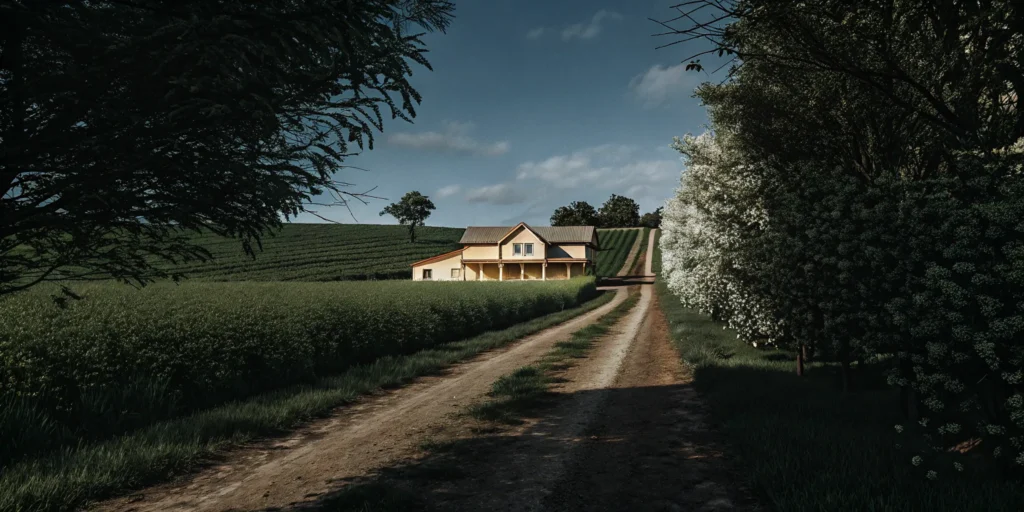
When you hear the words “Rural Development Loan,” you might picture a farmhouse surrounded by acres of land. While that’s one possibility, the reality is much broader. These government-backed loans are available for homes in many suburban towns and communities just outside of major cities—areas you might not consider “rural” at all. The program’s goal is to strengthen these communities by making homeownership more attainable, primarily through its incredible zero-down-payment feature. Before you assume this loan isn’t for you, it’s worth taking a closer look. We’ll break down the income and property requirements so you can confidently decide whether to apply for a rural development loan.
Key Takeaways
- Buy a Home with No Down Payment: The biggest advantage of a USDA loan is the ability to finance 100% of the home’s value, which removes the major hurdle of saving for a down payment and makes homeownership more accessible.
- Confirm Your Eligibility in Three Areas: Qualification depends on a few key factors: your household income must be within the area’s limits, the home must be in a USDA-approved location, and you’ll generally need a credit score of at least 620.
- Prepare for a Two-Part Approval Process: Your loan must be approved by both your lender and the USDA, a journey that typically takes 30 to 45 days. Working with a lender who is experienced with these steps is essential for a smooth closing.
What is a Rural Development Loan and Do You Qualify?
If you dream of owning a home but are worried about a down payment, a Rural Development Loan might be the perfect fit. These government-backed loans are designed to make homeownership more accessible for people in rural and suburban areas. They are one of several fantastic loan programs available, but they come with specific requirements for your income, the property’s location, and your financial history. Before you start house hunting, let’s walk through what these loans are and what it takes to qualify for one.
USDA Loans: What They Are (and Aren’t)
First things first, let’s clear up what we’re talking about. Rural Development Loans are more commonly known as USDA Loans because they’re backed by the U.S. Department of Agriculture. Their main goal is to help low- and moderate-income families purchase homes in less populated areas, strengthening these communities. This isn’t a loan for a downtown condo or a house in a major city. Instead, it’s designed specifically for properties in designated rural and suburban zones. Think of it as a key to unlocking homeownership outside the hustle and bustle of a dense urban center.
Checking Your Income Eligibility
Your income is a major factor in qualifying for a USDA loan. The rule is that your total household income can’t be more than 115% of the median income for your specific area. This limit ensures the program serves the people it’s intended to help. Because income levels vary so much from one county to the next, there isn’t a single nationwide number. The best way to see if you qualify is to use the USDA’s official tool. You can check your income eligibility directly on their website by entering your location and household details.
Finding an Eligible Property Zone
Just as your income has to meet certain criteria, so does the property you want to buy. The home must be located in a USDA-approved rural or suburban area. You might be surprised by what qualifies—many small towns and areas just outside of major metropolitan centers are eligible. You don’t have to be buying a farm to use this loan. To find out if a home you’re interested in is in an eligible zone, you can use the USDA’s property eligibility map. Simply type in the address, and the map will tell you if it qualifies for the program.
Understanding Credit and Debt Requirements
Finally, let’s talk about your financial picture. Most lenders, including us, look for a credit score of at least 620 to qualify for a USDA loan. If your score is a bit lower, don’t count yourself out just yet—it may still be possible to get approved after a more detailed review of your finances. Lenders will also look at your debt-to-income (DTI) ratio. This is the percentage of your monthly income that goes toward debt payments. For a USDA loan, your total monthly debts—including car payments, student loans, and credit cards—should ideally be no more than 41% of your gross monthly income.
Which Type of Rural Development Loan is Right for You?
So you’ve confirmed that a Rural Development Loan could be your ticket to homeownership—that’s fantastic news! The next step is to figure out which specific type of loan is the right fit for your financial situation. The USDA offers two main paths for homebuyers: Direct Loans and Guaranteed Loans. While both are designed to make buying a home in a rural area more accessible, they serve different income levels and operate in very distinct ways. Think of it as two different doors to the same goal: owning a home with incredible benefits, like the possibility of no down payment.
The biggest factor in determining which door is for you is your household income. One loan is funded directly by the government and is reserved for very low-income applicants, offering deeply subsidized rates that are hard to find anywhere else. The other, more common option is offered through approved lenders like us and is available to a broader range of low- to moderate-income buyers. This is the path most people take, as it offers more flexibility and a faster timeline. Understanding the difference is key to choosing the right loan and starting your application with confidence. It ensures you don’t waste time pursuing an option you don’t qualify for and helps you set realistic expectations for the process ahead. Let’s break down what each one offers.
USDA Direct Loans: For Very Low-Income Buyers
USDA Direct Loans are funded directly by the government. Think of the USDA as the lender in this scenario. These loans are specifically created to help very low-income individuals and families purchase a home. Because they are government-subsidized, they often come with very low, fixed interest rates that can make monthly payments much more manageable. However, there are a couple of trade-offs to consider. Funding for Direct Loans is limited, and the application process can be significantly longer than for other loan types. Eligibility is strict, so you’ll need to meet specific income thresholds to qualify. This option is a fantastic resource, but it’s designed for a very specific group of buyers who need the most assistance.
USDA Guaranteed Loans: For Moderate-Income Buyers
This is the more common type of Rural Development Loan. A USDA Guaranteed Loan is offered by an approved private lender (like UDL Mortgage) but is insured, or “guaranteed,” by the USDA. This guarantee reduces the risk for lenders, allowing them to offer incredible terms—like zero down payment—to qualified buyers. These loans are designed for low- to moderate-income households, making them accessible to a wider range of people. Because you work with a lender directly, the process is typically much faster and more flexible. You get the support and expertise of a dedicated loan officer to guide you through the steps. If you’re looking for a zero-down-payment option and meet the income and property requirements, exploring our loan programs is a great next step.
Direct vs. Guaranteed: What’s the Difference?
So, what’s the bottom line? The main difference between a Direct and a Guaranteed USDA Loan comes down to who the lender is and who the loan is for. With a Direct Loan, the USDA is your lender, and the program is reserved for very low-income applicants. With a Guaranteed Loan, you work with a private lender like us, and the program serves low- and moderate-income buyers. This distinction impacts everything from the application process to how quickly you can close on your home. Guaranteed Loans are generally more widely available and have a more streamlined process. Direct Loans, while offering excellent rates, have stricter income eligibility requirements and are subject to government funding availability, which can mean longer wait times.
Getting Your Paperwork in Order: What You’ll Need
Think of applying for a mortgage like preparing a recipe—the better you organize your ingredients beforehand, the smoother the process will be. Gathering your financial documents is a key step that shows lenders you’re a prepared and reliable borrower. It helps us move your application forward quickly so you can get into your new home sooner. Don’t worry, it’s not as complicated as it sounds. We’ve broken down exactly what you’ll need to have on hand.
Your Income and Employment Paperwork
First, lenders need to see that you have a steady and reliable income to handle your mortgage payments. You’ll need to provide documents that paint a clear picture of your financial situation. This usually includes your most recent pay stubs (from the last 30 days), your W-2 forms from the past two years, and your last two federal tax returns. If you’re self-employed or have other sources of income, you may need to provide additional paperwork, like 1099 forms or profit-and-loss statements. Having these ready will help your lender accurately assess your income eligibility.
Property and Citizenship Documents
To qualify for a Rural Development Loan, you must be a U.S. citizen, U.S. non-citizen national, or a Qualified Alien. You’ll need to provide proof, such as a birth certificate, passport, or permanent resident card. Just as important, the home you want to buy must be located in an eligible rural area as defined by the USDA. While you don’t need to have a specific property picked out to get prequalified, you will need to provide the property details once you make an offer. This includes the purchase agreement and any information about the home itself.
Credit and Financial Records
Your credit history gives lenders insight into how you’ve managed debt in the past. While the USDA doesn’t set a minimum credit score, most lenders look for a score of 640 or higher for streamlined processing. If your score is a bit lower, don’t count yourself out—you may still qualify with additional documentation that shows a strong history of paying bills on time. It’s a great idea to check your credit report before you apply. This gives you a chance to spot and correct any errors that could be pulling your score down and address any outstanding issues.
Bank Statements and Personal ID
Finally, you’ll need to provide some basic personal and financial documents. Lenders will ask for your most recent bank statements (typically for the last two months) for all checking and savings accounts. This helps verify that you have funds available for any potential out-of-pocket expenses, even with a zero-down-payment loan. You will also need a valid, government-issued photo ID, like a driver’s license or passport, to confirm your identity. Once you have these final pieces together, you’ll be in a great position to start your application with confidence.
Your Step-by-Step Guide to Applying
Ready to make your dream of homeownership a reality with a Rural Development Loan? The application process might seem complex, but it’s much more manageable when you break it down into a few key steps. Think of it as a roadmap that guides you from where you are now to the front door of your new home. We’ll walk you through each stage, from checking your eligibility to getting the keys in your hand. With the right preparation and a trusted lender by your side, you can move through the process with confidence. Let’s get started.
Step 1: Confirm Your Eligibility
Before you get too far into the process, the very first thing you need to do is confirm that you’re eligible for a USDA loan. The USDA has two main requirements you’ll need to meet. First, your total household income must be within the limits for your area. Second, the home you want to buy must be in a location the USDA has designated as rural. The great news is you don’t have to guess. You can quickly check your eligibility using the USDA’s official online tools. This simple step will save you a ton of time and ensure you’re on the right track from day one.
Step 2: Get Prequalified with an Approved Lender
Once you’ve confirmed you’re eligible, it’s time to get prequalified with a lender. This is a huge step! Getting prequalified shows you how much you can likely borrow, which helps you focus your home search on properties you can comfortably afford. It also signals to sellers that you’re a serious, prepared buyer, giving your offer a competitive edge. It’s smart to work with a lender who has deep experience with USDA loans, as they can guide you through the specific requirements. At UDL Mortgage, we specialize in these programs and are here to help you get prequalified and start your journey with confidence.
Step 3: Find Your Home and Make an Offer
This is the fun part—shopping for your new home! With your prequalification letter in hand, you can start looking at properties. As you search, remember to keep the USDA’s location requirements in mind. Before you fall in love with a place, it’s a good idea to check the property’s eligibility using the USDA’s free map tool to make sure it’s in an approved rural area. Working with a real estate agent who is familiar with the ins and outs of USDA loans can also be a huge help. Once you find the perfect home, you’ll be ready to make an offer.
Step 4: Submit Your Application for Review
After your offer is accepted, you’ll move on to the formal loan application. This is where you’ll need to gather and submit your financial documents. Your lender will need to see things like recent pay stubs, W-2s, and tax returns to verify your income and employment. You’ll also need to provide various documents like bank statements, proof of citizenship, and information for a credit history check. Getting these papers organized ahead of time can make this step feel much smoother. Your loan officer will provide a complete checklist so you know exactly what’s needed to keep your application moving forward.
Step 5: Get Final Approval and Close the Deal
You’re in the home stretch! After you submit your application and sign the purchase agreement, the final review process begins. The loan process typically takes about 30 to 45 days to complete. During this time, the lender and the USDA will review your file. It’s important to know that pre-approval isn’t the same as final approval. The property itself must also pass a USDA appraisal to ensure it meets the program’s standards for safety and value. Once your loan gets the final green light from both your lender and the USDA, you’ll schedule your closing day, sign the final paperwork, and officially become a homeowner.
The Rural Development Loan Journey: What to Expect
So, you’ve confirmed you’re eligible for a Rural Development Loan and have your paperwork ready to go. What happens next? Getting a mortgage can feel like a big, mysterious process, but it doesn’t have to be. Knowing what’s ahead can make the entire experience feel much more manageable. The journey from application to closing day has its own unique rhythm, with some incredible benefits and a few specific rules to follow.
Think of this loan as a partnership with the USDA to help you buy a home in a qualifying area. Because of this, the process has a few extra steps compared to a conventional loan, but the trade-offs are often well worth it. We’ll walk through the major highlights, from the amazing zero-down-payment feature to the property requirements you’ll need to meet. We’ll also set a realistic timeline so you know how long things might take and break down the costs involved. With a clear picture of the road ahead, you can move forward with confidence and get one step closer to your new front door.
The Perks: Zero Down Payment and Great Rates
Let’s start with the best part. One of the biggest hurdles to buying a home is saving up for a down payment, and this is where the Rural Development Loan truly shines. For most borrowers, this loan requires no down payment at all. That’s right—you can finance 100% of the home’s value. This feature makes homeownership possible for so many people who might otherwise have to wait years to save up. It’s a significant advantage that sets it apart from many other loan programs that require anywhere from 3% to 20% down. This means you can keep your savings for moving expenses, new furniture, or your emergency fund.
The Trade-Offs: Location and Other Limits
While the benefits are fantastic, they do come with a few strings attached, the main one being location. To use a Rural Development Loan, the home you want to buy must be in a USDA-designated rural or suburban area. This might sound restrictive, but you’d be surprised how many communities qualify. The USDA’s definition of “rural” often includes small towns and the outskirts of major metro areas. Before you start your house hunt, you can check specific addresses and review maps on the USDA’s property eligibility site. This will help you focus your search on homes that meet the program’s requirements from the very beginning.
How Long Does It Take? A Realistic Timeline
Once you find your perfect home in an eligible area and sign a purchase agreement, the clock starts ticking. Typically, the Rural Development Loan process takes about 30 to 45 days to close. This timeline covers all the essential steps, including the appraisal, underwriting, and the final review by the USDA. While it can sometimes take a little longer than a conventional loan because of that final government approval, working with an experienced lender can keep things moving smoothly. We’re here to guide you through each step and make sure everything stays on track. When you’re ready to get started, you can apply now to get prequalified.
Understanding the Costs and Property Conditions
Besides the purchase price, there are a couple of other financial details to keep in mind. Rural Development Loans come with a one-time “guarantee fee,” which is typically 1% of the total loan amount. You have the option to pay this fee upfront at closing or roll it into your total mortgage balance and pay it off over time. The property itself also has to meet certain standards. It needs to be in good, safe, and sanitary condition, and its appraised value must be at least as much as the loan amount. Our team has helped countless buyers through this process, and our client testimonials show our commitment to making it a smooth experience.
Related Articles
Frequently Asked Questions
Does “rural” mean I have to buy a farm or live in the middle of nowhere? Not at all! This is one of the biggest misconceptions about the program. The USDA has its own definition of “rural,” which includes many small towns and suburban neighborhoods just outside of major cities. You might be surprised to find that a home you’re interested in qualifies. The best way to know for sure is to use the official USDA property eligibility map online before you start your search.
Is the zero-down-payment option for real, or are there hidden costs? It’s absolutely real and one of the best features of this loan. You can finance 100% of the home’s purchase price. However, you will still have some out-of-pocket expenses. These include standard closing costs, like appraisal and title fees. There is also a USDA guarantee fee, but the good news is that it can often be rolled into your total loan amount, so you don’t have to pay it upfront.
What if my credit score is a little below the recommended 620? Don’t immediately count yourself out. While a score of 620 or higher generally makes the approval process more straightforward, it isn’t a strict cutoff. Lenders can sometimes approve applications with lower scores if you have other strengths, like a low amount of debt or a solid history of paying your rent on time. We look at your entire financial picture to see what’s possible.
How do I know if a lender is approved to offer USDA loans? This is a great question because not all lenders are equipped to handle USDA loans. The program has specific guidelines, so it’s important to work with a lender who has direct experience with them. An approved lender, like us at UDL Mortgage, will be listed with the USDA and can guide you through the unique steps of the process, from checking eligibility to securing the final approval.
Can I use a USDA loan to build a new house? Yes, you can! The USDA program isn’t just for buying existing homes. There is a specific construction-to-permanent loan that allows you to finance the purchase of the land, the construction costs, and the mortgage all in one single loan. This is a fantastic option if you dream of building your own home in an eligible area.
